


An insightful interview with Performance Psychologist Dean Cooper about his experience working with the Socceroos at the FIFA World Cup.
When the Socceroos and Egypt couldn’t be separated after 120 minutes in Dallas, the Round of 32 penalty shoot-out came down to the margins that define elite sport: composure, preparation, performance under extreme pressure. For the millions of fans watching on, it was an electrifying, nail-biting game. For the athletes on the pitch, it was the culmination of months of psychological preparation meeting a single, high-stakes moment.
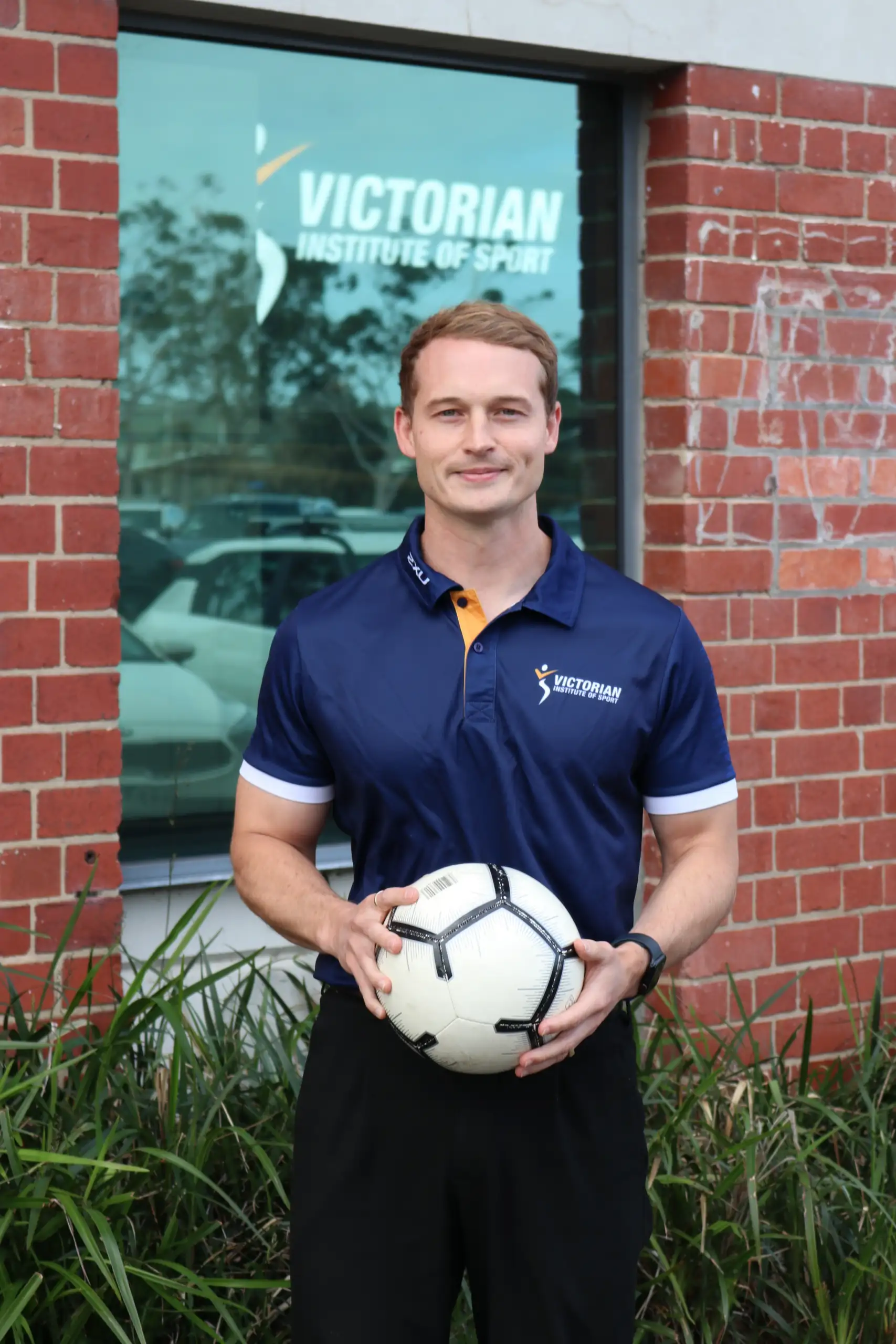
Few understood that tension better than Victorian Institute of Sport (VIS) Performance Psychologist Dean Cooper, who worked pitch side with the Socceroos throughout their FIFA World Cup campaign. Having supported the squad in the lead-up to the tournament, Cooper watched from the sidelines as that groundwork was put to the ultimate test in a shootout against Egypt.
We sat down with Cooper to unpack what goes on behind the scenes, how athletes prepare, how they manage pressure in real time, and what this experience means for the future of psychological support across Australian sport.
Welcome back Dean! Watching our Round of 32 game head into penalties was stressful. Can you talk us through the experience for the players and goalkeeper in that moment?
At the home of the Dallas Cowboys, an indoor arena with 80,000 people, it feels like a wall of people around you and the noise and energy are intense. I’ve never taken a penalty myself, but having worked with penalty takers, there are common themes. Physically, their heart rate is through the roof, their breath rate increases, and after 120 minutes of football their legs feel heavy.
Cognitively, their brain becomes very active. They’re uncomfortable, so they go into overdrive trying to problem solve. Sometimes that’s helpful and sometimes that’s not, as thoughts range from “I’ve dreamt of this moment” to “I might miss.” Emotionally, they’re feeling everything: doubt, confidence, pride, anticipation, on a heightened level. There’s an incorrect assumption that athletes feel immune to uncomfortable emotions. They just have ways to perform when they’re there.
Penalties are obviously a disappointing way to exit a tournament, but we had some great moments in camp and victory over Türkiye. What did your day-to-day involve?
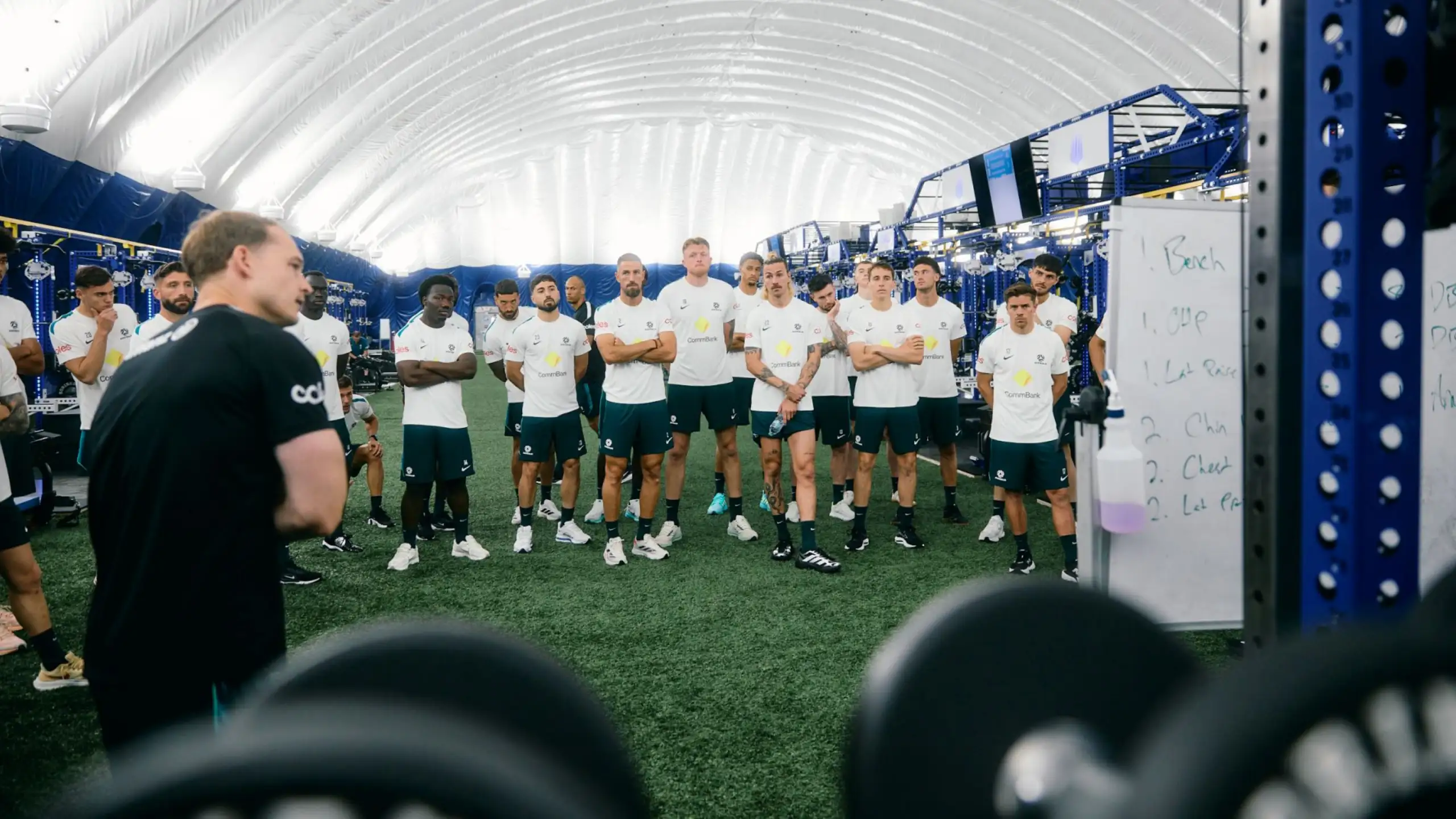
For most of the camp we were based in San Francisco, where we’d spend all day together, sharing meals, training and recovering at the Oakland Roots facility.
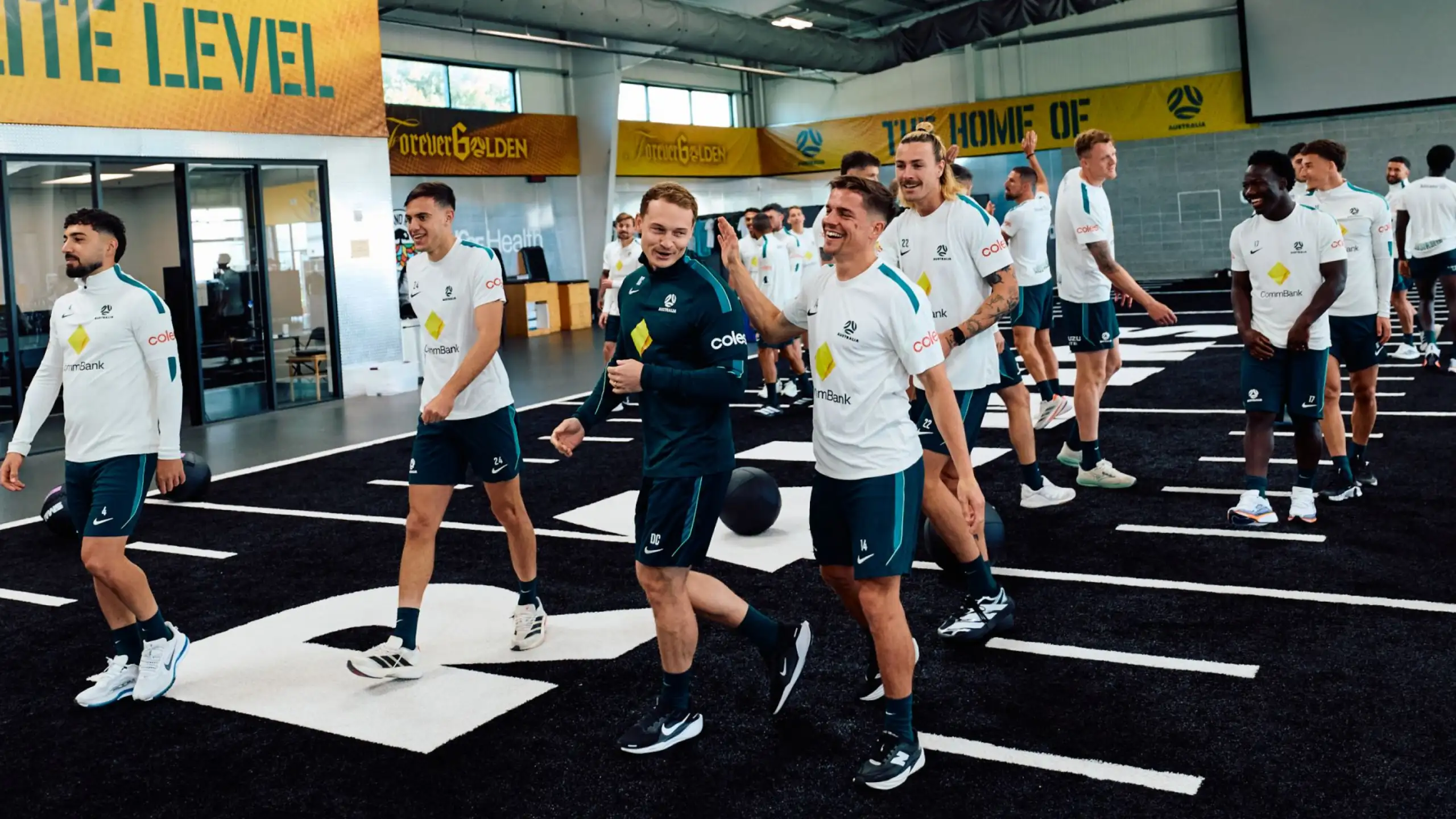
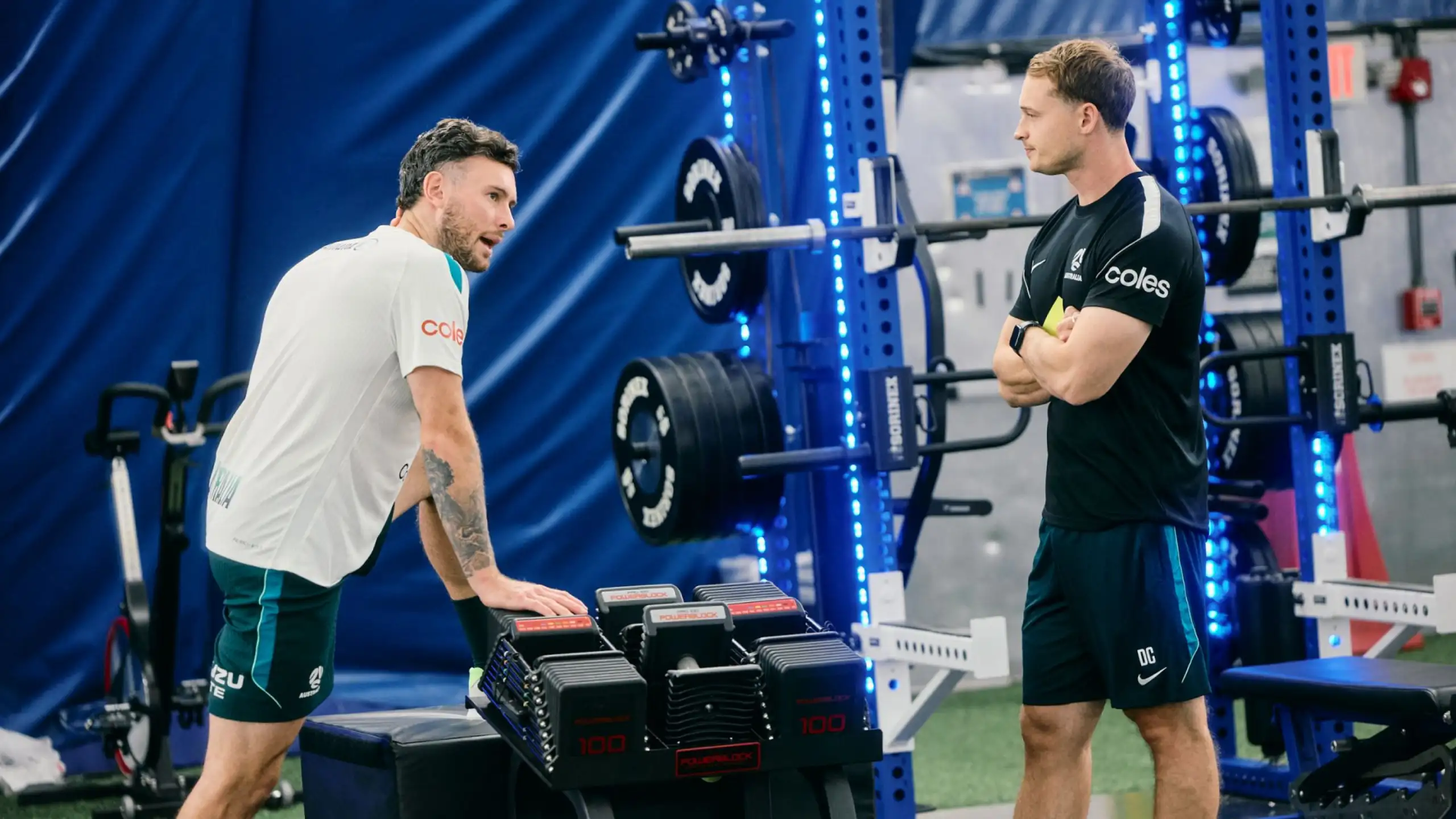
My role was to work with the Socceroo athletes individually to optimise their performance. We’d work on how to reduce external noise, manage emotions in key moments, and how to execute certain mental skills. Throughout the camp I’d hold small working groups with athletes to discuss potential challenges, psychological training, and encourage them to share their experiences on how to approach different elements of the World Cup. We spent over 60 days together as players and staff, so it was also about acknowledging that we’re human first, and that everyone was managing different challenges such as missing kids and being away from home.
The mental toll of a long tournament brings about fatigue, isolation from family and media scrutiny. How do you manage this and keep the players, staff and yourself primed to perform?
This was a big focus in the lead-up to and early stages of camp because we knew this was a marathon, not a sprint. Early in the camp we discussed what everyone’s individual needs were; how some needed space to decompress, and others got energy from being sociable. It was important for everyone to understand how they each work and to use these strategies, even when it wasn’t necessary, drawing on their needs when they’re thriving, not just in times when their performance required it.
In the lead-up, the squad went through several rounds of cuts before the final 26-man squad was named. Some were early and expected, as some players didn’t expect to be there, but the final rounds were challenging because friends had to see their mates miss out on their World Cup dreams.
The hydration breaks brought into the match have had their share of critics. However, from a psychological standpoint, do you see the benefit in having touch points with the players as football doesn't have consistent rotations?
Whether it’s fans, pundits or critics, everyone has their own opinion on the drinks break, but our focus was always on how we could use that time to our advantage. Because these hydration breaks are rarely seen in international competition, they don’t benefit any one specific team. Instead, it was on each team to decide how they would use that time and what benefit they’d get out of it. For us, they became a crucial part of our strategy, and if you look at the Türkiye game, both of our goals were scored soon after the drinks break.
Do the mental preparation approaches vary by nations? Are they influenced by cultural dispositions?
It’s a hard one to answer, because in the lead-up I tried to research who teams were working with, but it’s not always easy to determine who’s working in these types of roles in a tournament of this size. While a lot of the countries at the World Cup chose not to work with performance psychologists, there was a concerted effort to connect the team psychologists that were in attendance. Through those efforts, we identified just eight psychologists working across all 48 teams. Performance psychology is in its infancy within the sport, and in Australia too. We haven’t typically had psychologists in this capacity with the team before, so in some ways we are pioneers in this space. It makes it all the more exciting to see how this discipline can grow and develop.
VIS_Socceroos_Dean Cooper-1
VIS_Socceroos_Dean Cooper-2
VIS_Socceroos_Dean Cooper