

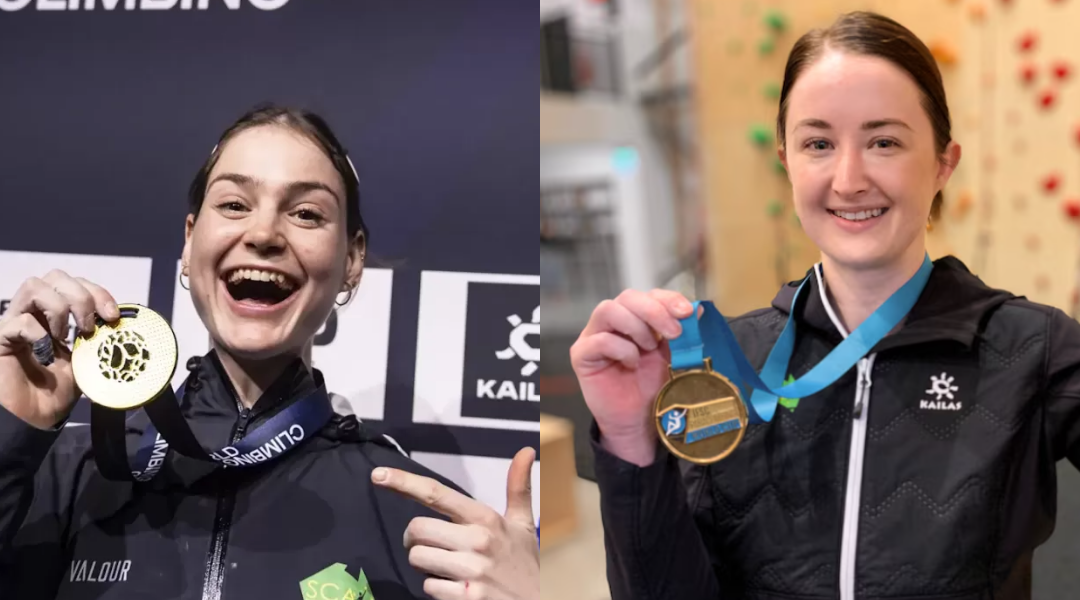
Two gold medals. Two Australian firsts. One sport.
Sarah Larcombe and Oceana Mackenzie have each climbed into the record books, delivering breakthrough performances four years apart. Victorian athletes helping redefine what Australian climbing looks like on the world stage.
Larcombe made history first. In May 2022, in her debut international season, she won gold at the Salt Lake City World Cup and became the first Australian to win a medal on the International Federation of Sport Climbing circuit. She did it in Para climbing, on a prosthetic leg, in a result that announced her arrival among the best in the world.
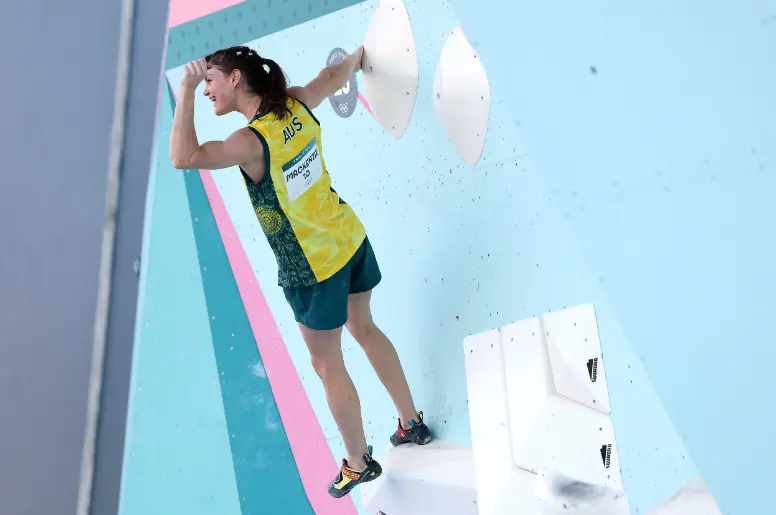
Four years later, on 23 May 2026, Mackenzie produced her own breakthrough in Bern, Germany. She became the first Australian to win a World Cup gold in the women’s Olympic discipline, reaching the top of three of four boulders to finish with 74.5 points.
Both athletes are Victorian. Both are supported by the Victorian Institute of Sport. And both are now part of Australian climbing history.
Oceana Mackenzie’s rise
Mackenzie has been climbing at the highest level for years. At just 15, she was already competing in senior World Cups, and in 2019 she became the first Australian woman in more than a decade to reach a Boulder World Cup final, placing sixth in Meiringen.
When sport climbing made its Olympic debut at Tokyo 2020, Mackenzie was there. She became the first Australian woman to represent the country in the sport at an Olympic Games, finishing 19th.
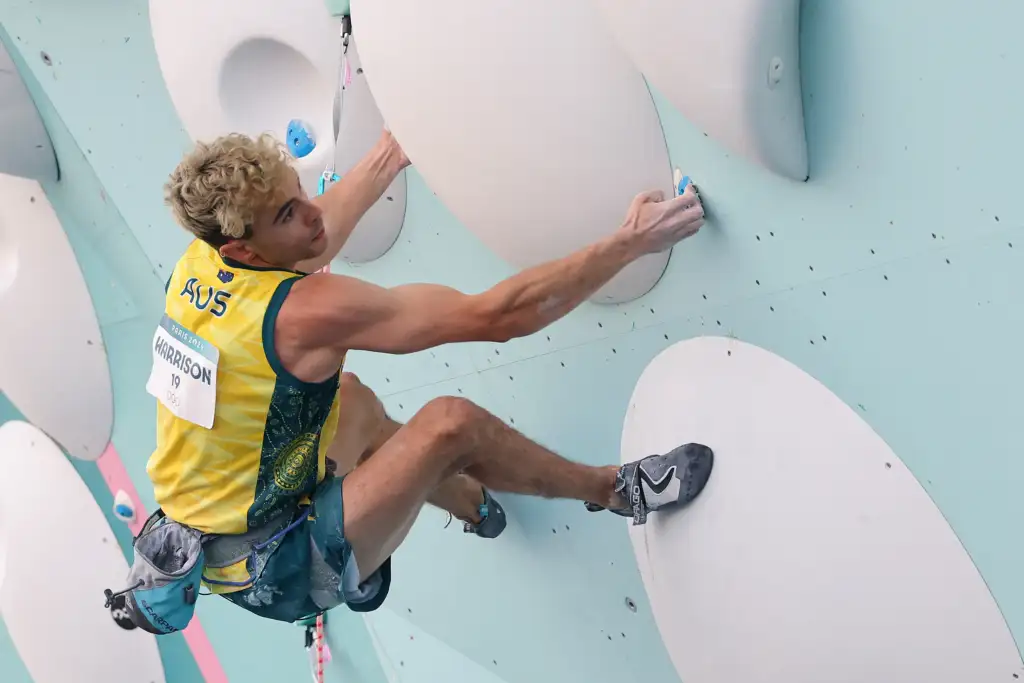
Paris 2024 brought another step forward. Mackenzie reached both the Boulder and Lead finals and placed seventh overall, the best Olympic climbing result by an Australian. But a World Cup gold had remained just out of reach.
That changed in Bern. After years of near-misses and steady progress, Mackenzie finally stood on the top step of the podium.
Her progression reflects the long-term development and individual support that sits at the heart of the VIS performance support systems.
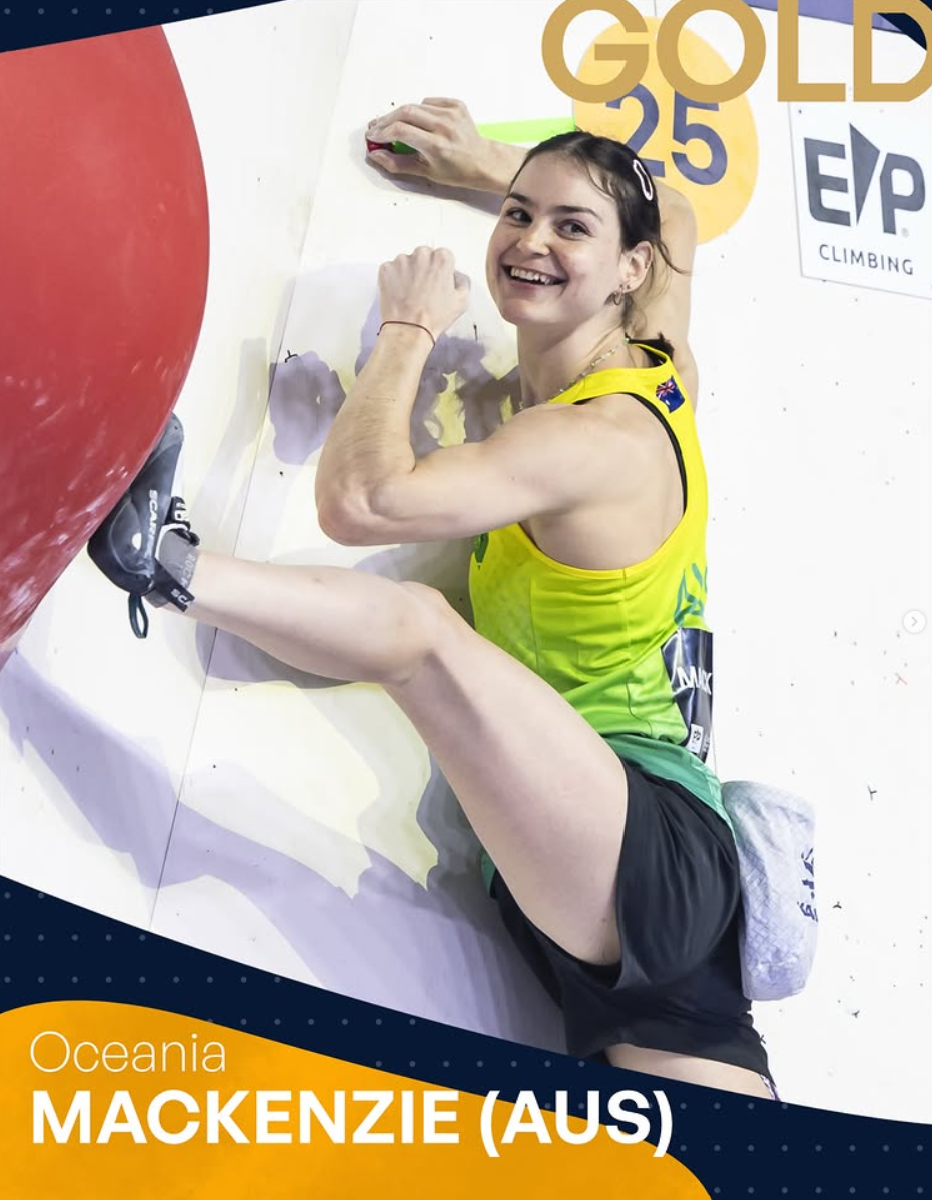
IMAGE: World Climbing – @worldclimbing
Sarah Larcombe’s breakthrough
Larcombe’s climb to the top has been just as remarkable.
Born with a limb difference in her right leg, which was amputated when she was nine months old, she discovered climbing in 2019 and quickly showed she belonged on the international stage. In her first international season in 2022, she won gold at the Salt Lake City World Cup and made history as the first Australian ever to win gold on the IFSC circuit, across both Para and Olympic disciplines.
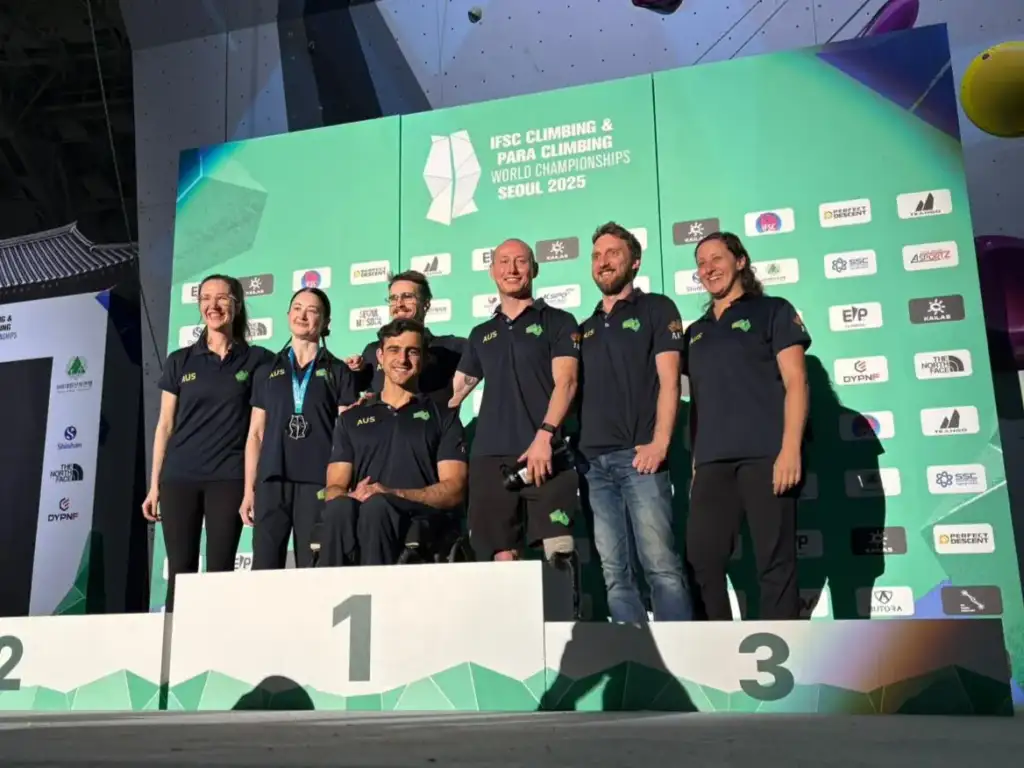
Her results have continued to build. In May 2026, Larcombe added another World Cup silver in Salt Lake City, her 11th at that level, alongside a World Championship silver in Seoul.
That return to the podium carried extra weight. In 2025, Larcombe suffered a serious outdoor climbing fall that fractured bones in her foot, leg and back. She trained through her recovery in Melbourne, supported by the VIS performance team, before returning to international competition with the same determination that has defined her career.
Her comeback reflected not only her own resilience, but the high performance support around her through her own team and the VIS, supporting the athlete as a whole person, through injury and return to elite competition.
Even in a sport built on resilience, Larcombe’s comeback stands out.
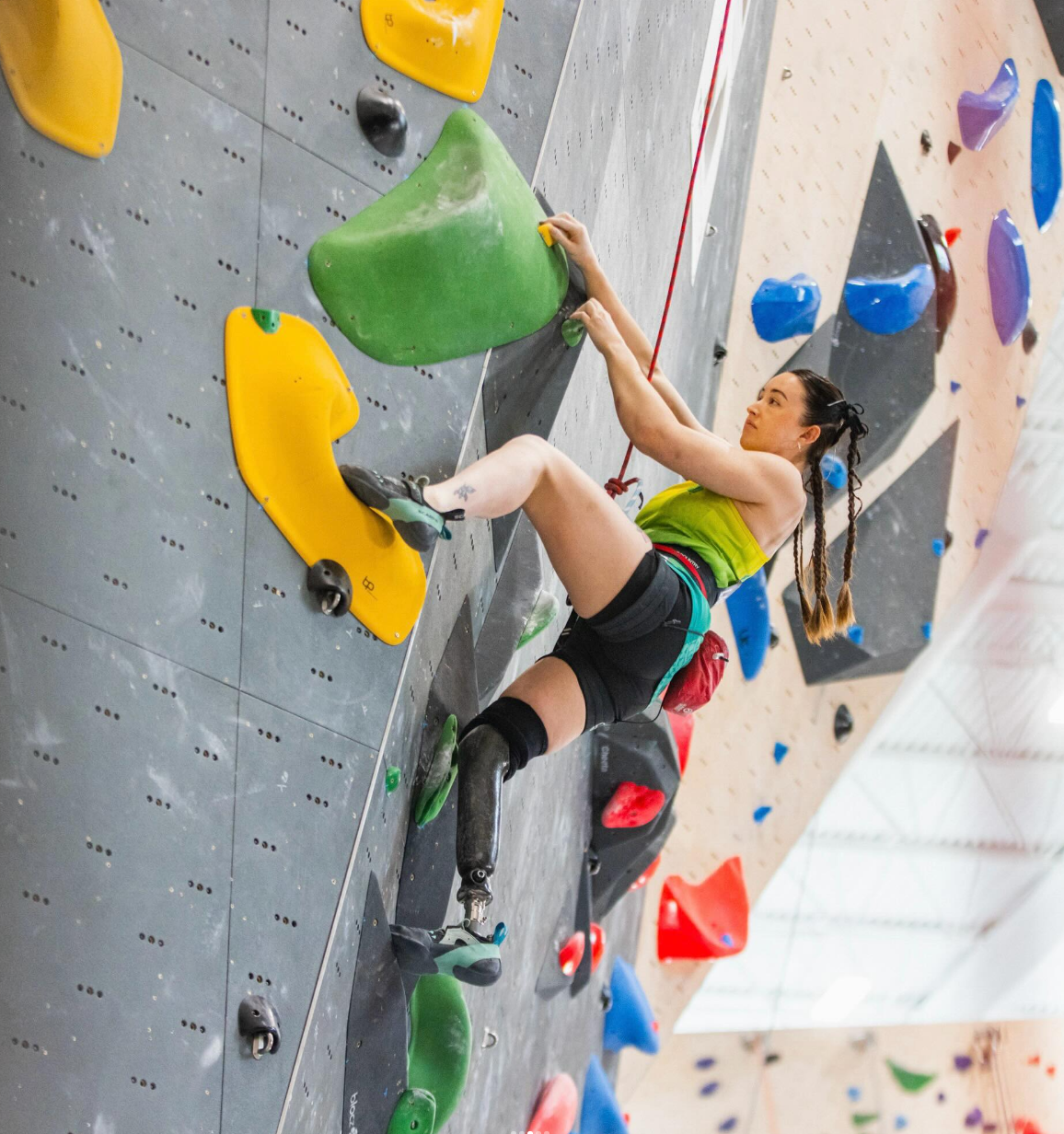
IMAGE: Sarah Larcombe – @sarah_la
Backed by the same system
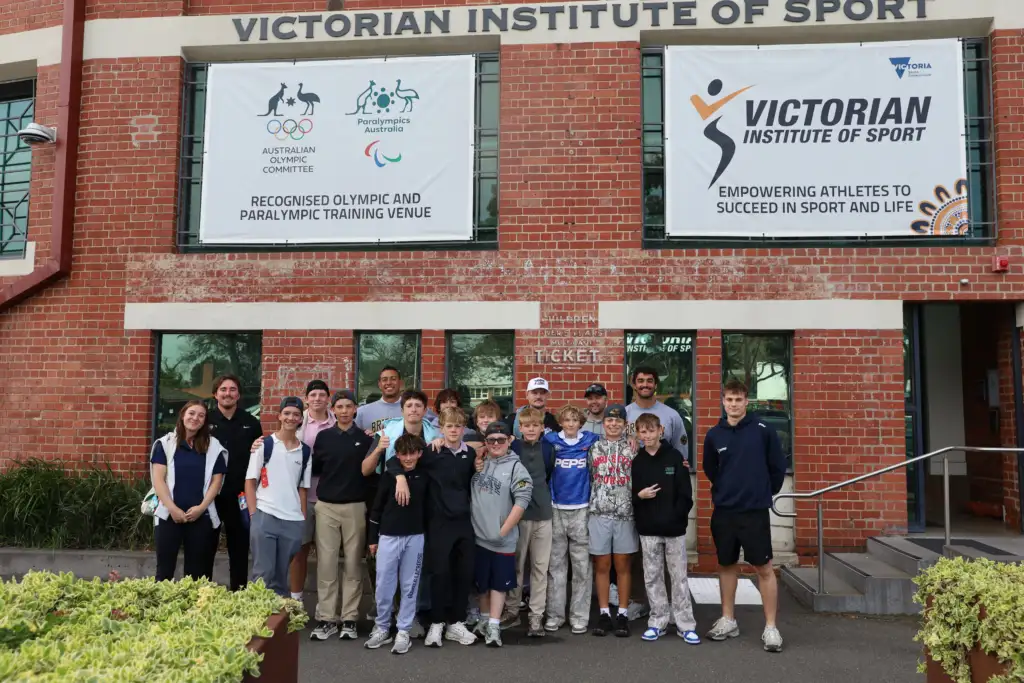
Australia’s climbers compete through the national program run by Sport Climbing Australia. Victorian athletes in that system are supported by the VIS through its individual scholarship program, overseen by David Madigan, General Manager, High Performance.
At the VIS, Olympic and Paralympic climbing are not treated as separate stories. They are part of the same unified performance pathway, with support tailored to the individual needs of each athlete so they can thrive on the big stage.
For Madigan, the results in Bern and Salt Lake City reflect that approach.
“Olympic or Paralympic, the support is the same, and the belief is the same. We back the whole person and let the wall do the deciding,” said Madigan.
The General Manager elaborated saying the goal goes beyond medals.
“Our purpose is to empower these women to succeed in sport and in life, to support the whole athlete, not just the climber. It’s wonderful to see Victorians thrive on the world stage and inspire the next generation to reach for the wall.”
Looking toward Los Angeles
Los Angeles 2028 (LA) will be a landmark moment for climbing. Sport climbing returns to the Olympic program, while Para climbing joins the Paralympic Games for the first time.
That makes the road ahead even more significant for Mackenzie and Larcombe. Mackenzie is building toward LA as the sport pivots again from Tokyo 2020 and Paris 2024 with a new iteration for its third Olympic showing.
The Speed, Boulder and Lead categories are now separated, providing even more medal opportunities for the world’s best climbers in the Olympic category. Larcombe is chasing what would be among the first Paralympic medals in Para climbing history as she vies for a spot on the Australian team to compete in the Lead category.
Two women. Two firsts. One sport.
Larcombe in 2022. Mackenzie in 2026. Four years apart, but united by talent, resilience and the performance support behind them, inspiring Victorians to reach higher.