



By Jamie McPherson, Connection to Country Officer, Victorian Institute of Sport
Wadawurrung man and Victorian Institute of Sport (VIS) Connection to Country Officer Jamie McPherson on moving beyond the script, and why genuine cultural understanding is the foundation of a stronger high performance sport system.
I want to ask you something. When you deliver an Acknowledgement of Country, what are you actually feeling?
Not what you’re saying. What you’re feeling. Are you present in that moment, or are you reading words off a card because it’s expected of you?
I’m a proud Wadawurrung man. I’ve spent my career at the intersection of First Nations culture and Australian sport, and I’ve seen what happens when an Acknowledgement of Country becomes routine. The words are there. The connection isn’t. I call it Acknowledgement fatigue, and it’s more common than most people realise.
In a previous role as Commonwealth Games Engagement Officer with the Wadawurrung Traditional Owners Aboriginal Corporation, I was attending three to four meetings a day, each one opening with an Acknowledgement. The intention was right. But hearing the same five lines repeated, meeting after meeting, I watched people’s eyes glaze. They weren’t arriving at the start of a meeting. They were waiting for it to be over.
So, I changed the ask. I started inviting meeting hosts to personalise their Acknowledgement by sharing something they valued about the Country they were on, or something real from their own lives. One person talked about the sunshine. Another shared that their child had just been accepted into university. Small moments. Honest ones. And the room shifted. What had felt like an obligation became an opening, one that stemmed from a genuine connection not something that felt like compliance.
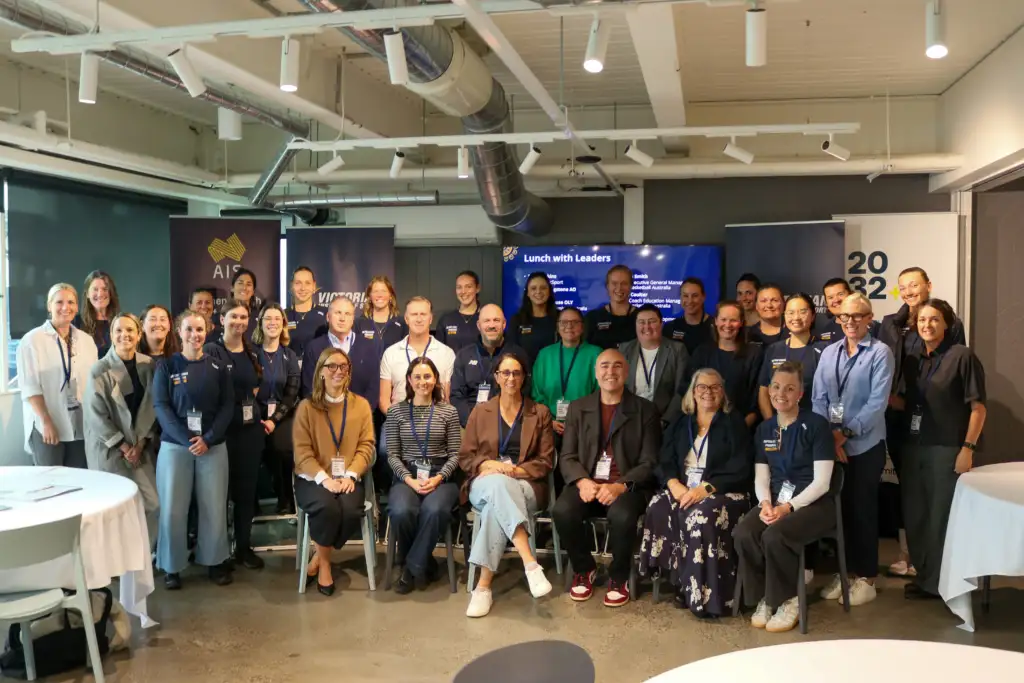
I carry these experiences into the heart of the work I now do at the VIS. I’ve developed a facilitated activity that takes this principle further. I’ve delivered it with VIS team members and most recently with Tennis Victoria’s leadership program. After grounding participants in what Country actually is, not as a word, but as a concept built over thousands of generations, I ask each person to write an Acknowledgement for a place they feel personally connected to. They include why that place matters to them, and something about who they are. Then they share it.
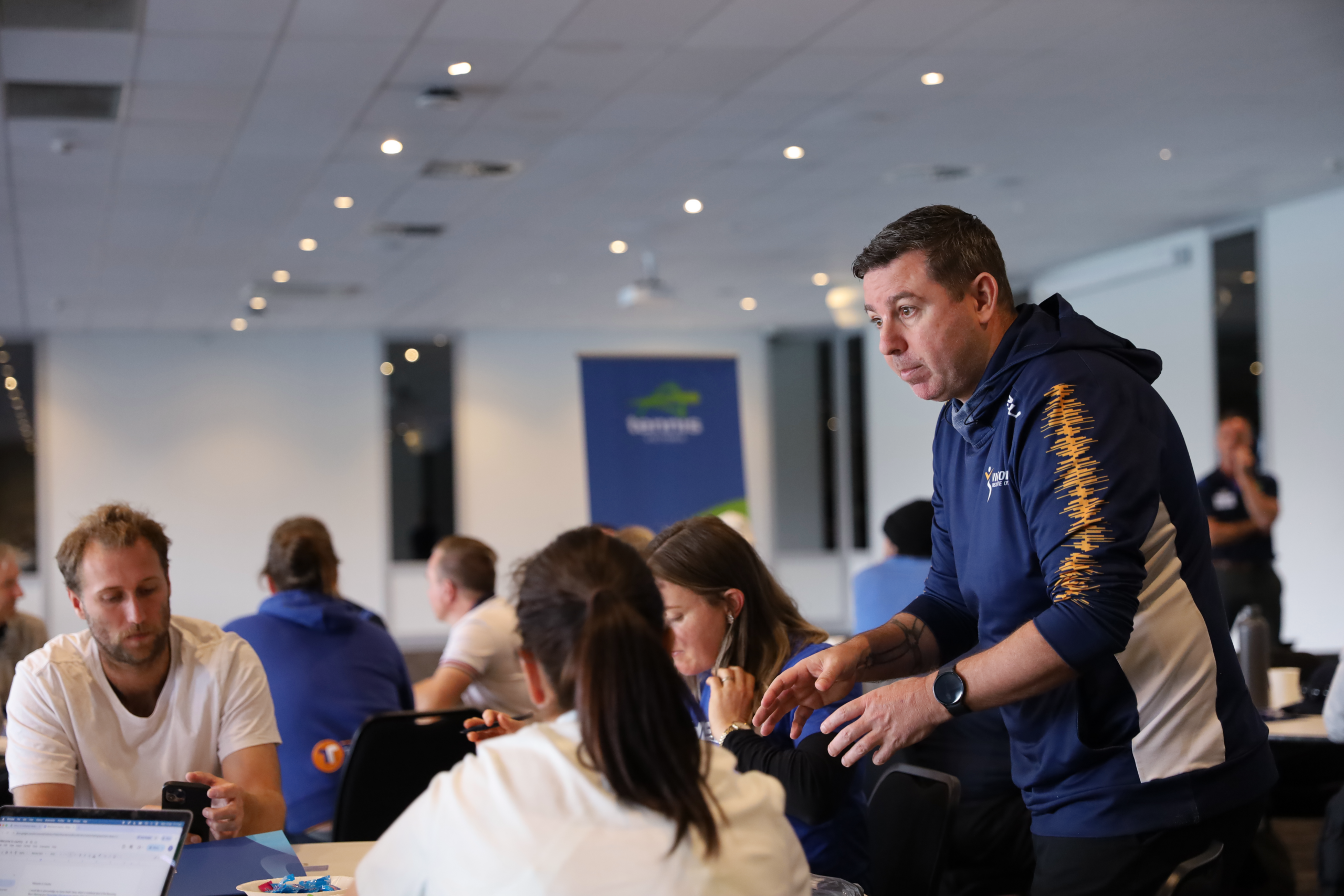
What happens in those rooms is not complicated. People understand Country differently because they’ve felt something like it themselves. It gives a point people something they can relate and connect to. You can’t teach someone how to feel a connection, it has to be relatable, developed through experience.
This matters beyond any single activity or organisation.
We are the custodians of the oldest continuous living culture on Earth. That’s not a footnote in Australian sport, it’s a foundation.
One that, when genuinely understood, makes sporting environments safer, more inclusive, and stronger for everyone in them.
The work I believe in and am delivering in conjunction with my brothers and sisters in Connection to Country roles around Australia in the national institutes is not one-off. It’s not a box to be ticked or a program that companies can run once and is consider it done. It’s the kind of long-term, structural change that becomes embedded in how organisations think, how they behave, and how they welcome people through the door.
High performance sport has a unique opportunity here. Athletes, coaches, and support staff operate in environments built on discipline, respect, and the relentless pursuit of excellence. Those are the same values that have sustained First Nations culture for over 65,000 years giving us common ground.
An Acknowledgement of Country should make you feel something. If it doesn’t, that’s not the end of the conversation. That’s where it starts.
To get in touch about upcoming projects or how you can help support Jamie’s work, reach out to: [email protected]