


Reflection by Imogen Barnett, VIS Human Resources Administrator
Three athletes. Three different sports. Three different lives on paper.
A basketballer rushing from training to a classroom. An AFLW player leaving recovery for a hospital night shift. A soccer player lacing up the boots they once wore professionally, now searching for purpose beyond the game.
Elite sport is often seen through the lens of performance alone, in a world separate from ordinary life. Careers, financial pressures, shifting identities and the constant challenge of building a life both within and beyond sport.
This piece follows three athletes, now VIS staff – Aimie, Joel, and myself – whose experiences across elite sport show how identity can be shaped, stretched and sustained beyond the game. Drawn from reflective conversations with others navigating similar paths, each story is distinct, but together they speak to the same question: what does it mean to live in and around elite sport?
Some athletes thrive in multiple worlds. Others find meaning in complete immersion within the game itself. But many eventually face the same question: who are you when sport is no longer enough to define you?
Aimie Rocci: Life in constant balance
Aimie Rocci’s story reflects the reality of balancing elite women’s basketball. During her WNBL career, her days were shaped by early training sessions, a full day of work, or study, and then more training or gym at night. It was a demanding rhythm, and one that many athletes in women’s sport know well.
Like me, she often wondered what might have been possible with total focus on basketball. But for Aimie, as for many athletes, working was never a choice, it was a necessity. The financial realities of women’s sport often leave little room for a single-track career.
Even so, she speaks strongly about the value of balance. Working and studying alongside basketball gave her structure, perspective and an identity that extended beyond performance alone.
She also experienced what it meant to be a full-time athlete during her time in Adelaide. For two years, it was just work, no study, just sport. That brought a different kind of freedom, but also a different kind of pressure. Injuries, poor performances, and the absence of an outlet beyond the court made her realise that a career outside sport can offer purpose and grounding while still competing.
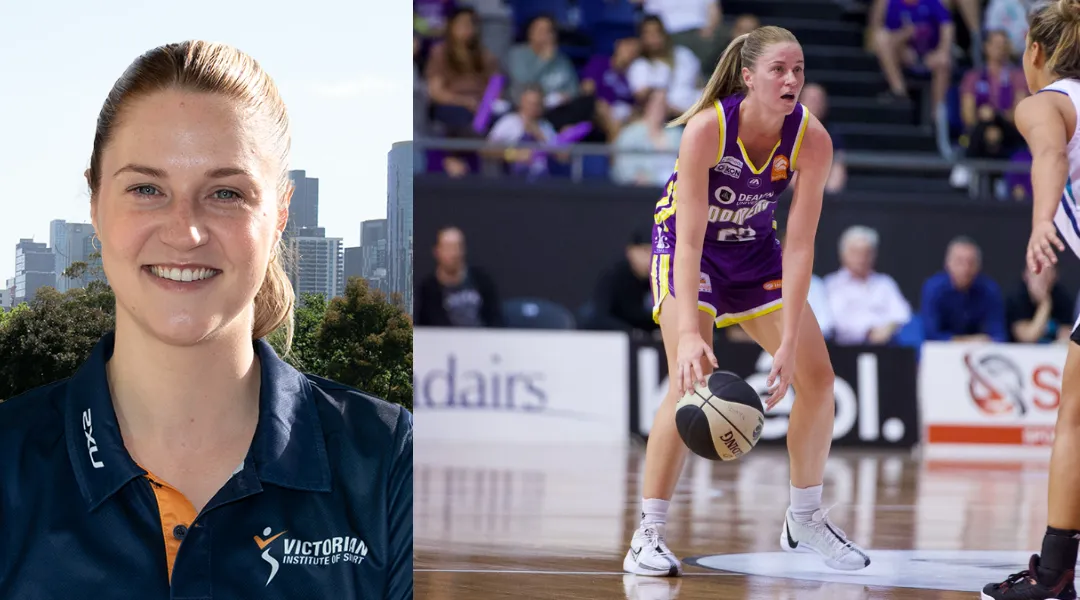
Image: Aimie Rocci pictured playing for the Melbourne Boomers in the Women’s National Basketball League (WNBL), she is now a Performance Lifestyle Adviser at the VIS.
Joel Wood: From identity to uncertainty
Joel’s experience captures a reality many athletes face when they leave elite sport: the loss of structure, identity and purpose that once shaped everyday life.
Having lived through both full-time and part-time football, he reflects that being a full-time athlete was, in ways, easier to manage. Even with short-term contracts the uncertainty of each new season, elite sport gave him routine, direction and a clear sense of what came next. His goals were defined, his identity understood.
The harder transition came when he stepped away from the beautiful game.
He continued playing semi-professionally, but sport no longer was his job. The routines and ambitions that had shaped his identity for so long were suddenly gone, leaving him with a question many athletes face in transition: who am I without the game?
Joel’s story reflects the broader challenge of moving out of elite sport, especially when so much of your self-worth has been tied to performance.
It raises an important question about whether athletes are better prepared for life after competition when they have built a sense of self beyond performance alone.
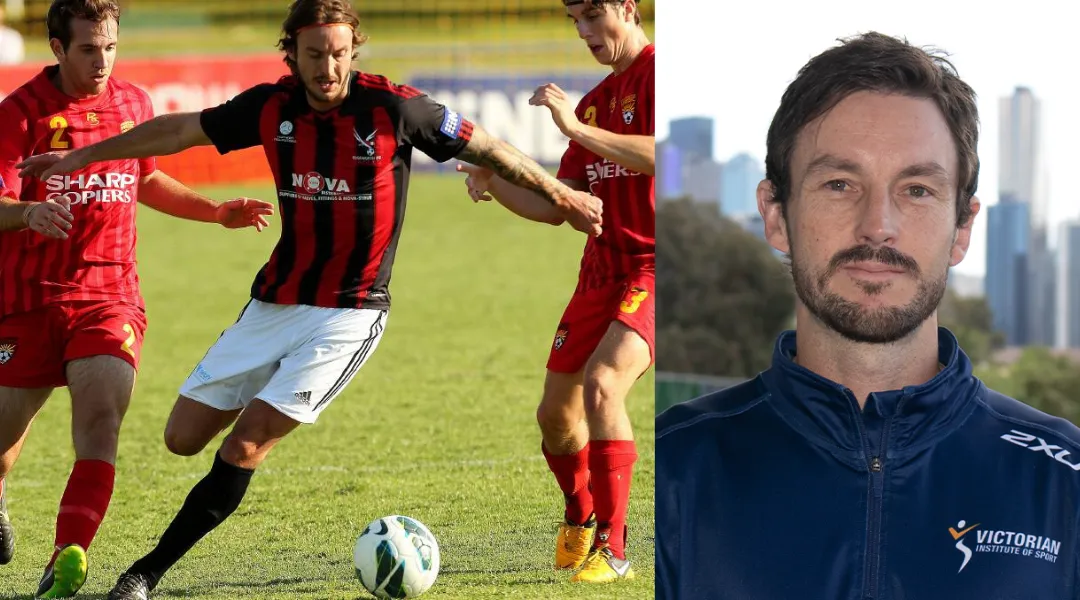
Image: Joel Wood was an elite footballer (soccer) for 18 years, during which he played professionally for three years. He now works as a Physical Preparation Coach at the VIS. (credit: Newcastle Herald)
My experience: living between worlds
My own journey sits somewhere between those two experiences.
Balancing AFLW with paediatric nursing, and now transitioning into human resources, my adult life has been shaped by the pull of two demanding worlds. Sport asks for total commitment, physically, mentally and emotionally. So does work. The challenge is knowing that neither world fully pauses for the other.
For me, the tension has not just been about time, but identity. I have often questioned where I fit in either world. If I am not fully committed to football, can I still consider myself elite? If I step away from nursing, does that mean I lack the resilience to manage both? Where does my true passion lie? These are questions I have wrestled with over the past five years.
This conflict ultimately led me to resign from nursing to fully commit to football. But even then, clarity of identity did not arrive straight away.
Over time, I have come to understand that these identities were never mutually exclusive. In fact, the complexity of balancing both gave me something powerful.
A career outside sport gave me perspective that football alone could not. It grounded me and pushed me to grow in ways unrelated to results or recognition. At the same time, sport strengthened my discipline, resilience, and ability to perform under pressure. The two worlds were always shaping each other.
Perhaps, most importantly, life outside of sport has provided protection from the volatility of elite competition. It has offered balance, grounding and a broader sense of self beyond performance alone.
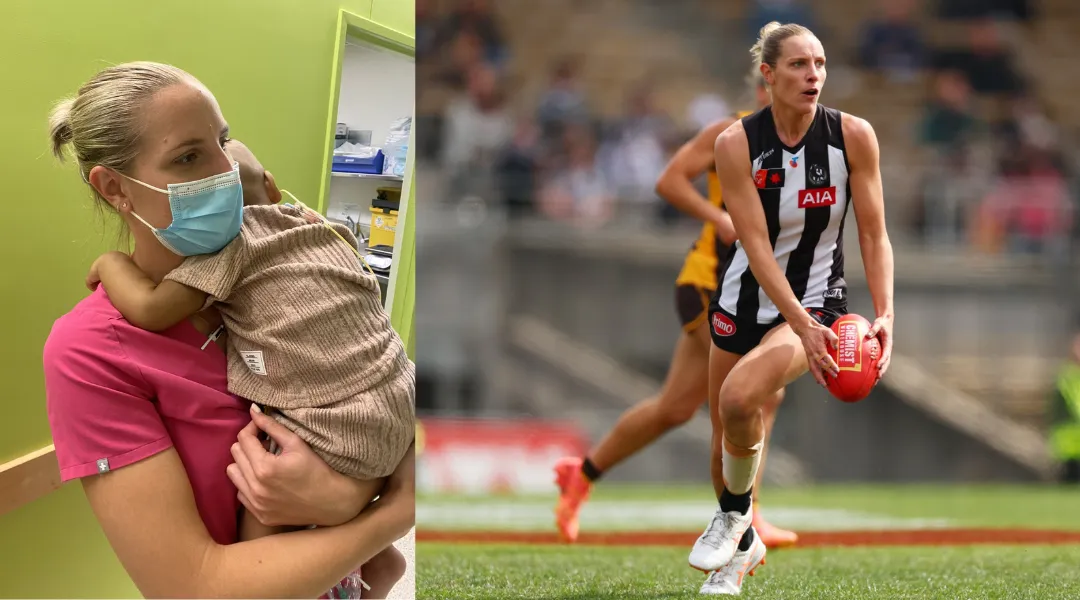
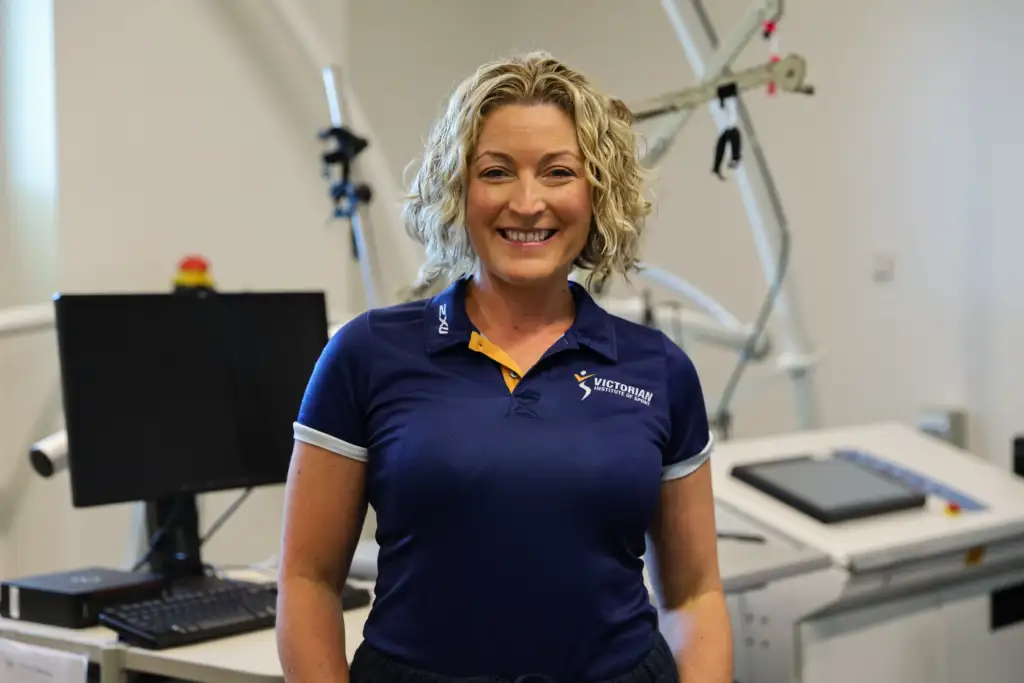
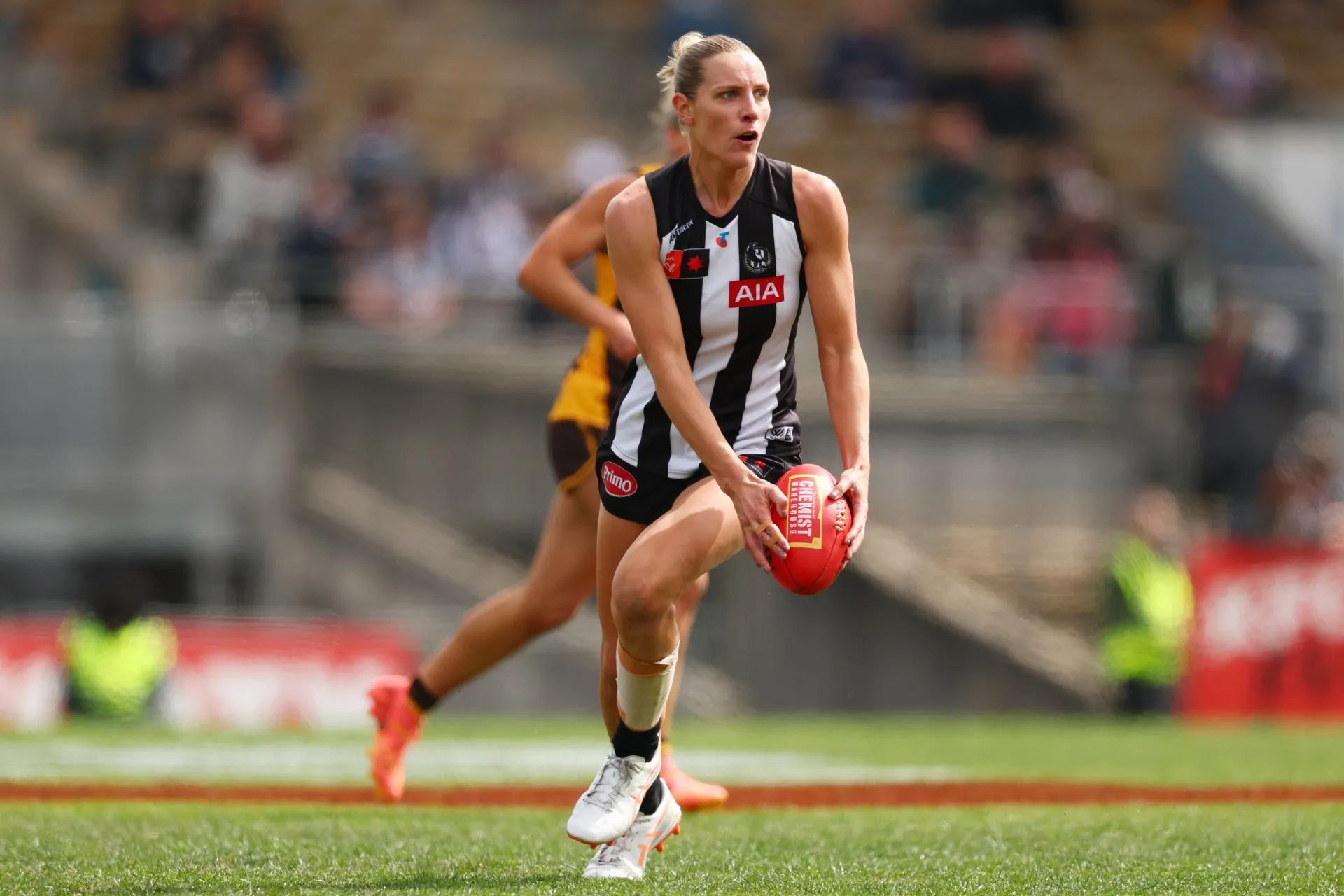
Image: Imogen Barnett in her role as a paediatric nursing (left) and playing for Collingwood Football Club in the AFLW League (right).
What Remains
Elite sport will always celebrate performance first. Wins, statistics, contracts and championships are the visible markers of success. But behind every athlete is a far more complex reality – one shaped not only by competition, but by the need to build a sustainable identity beyond it.
Aimie’s story shows the strength required to balance ambition with practicality. Joel’s experience reveals the uncertainty that can follow when sport is no longer the centre of everyday life. My own journey reflects the tension of existing between two demanding worlds while searching for clarity within both.
Different paths, different sports, but one truth runs through them all: athletes are never only athletes.
The conversation around elite sport often focuses on what athletes sacrifice to succeed. Less attention is given to what they gain from the lives they build outside the game. Perspective, resilience, connection and a sense of self that performance alone can never fully provide.
Because eventually, every athlete reaches a point where the scoreboard stops defining them. What remains then is not just the career they had, but the person they became alongside it.
Not just footballers.
Not just basketballers.
Not just soccer players.
Not just professionals outside sport either.
Both.