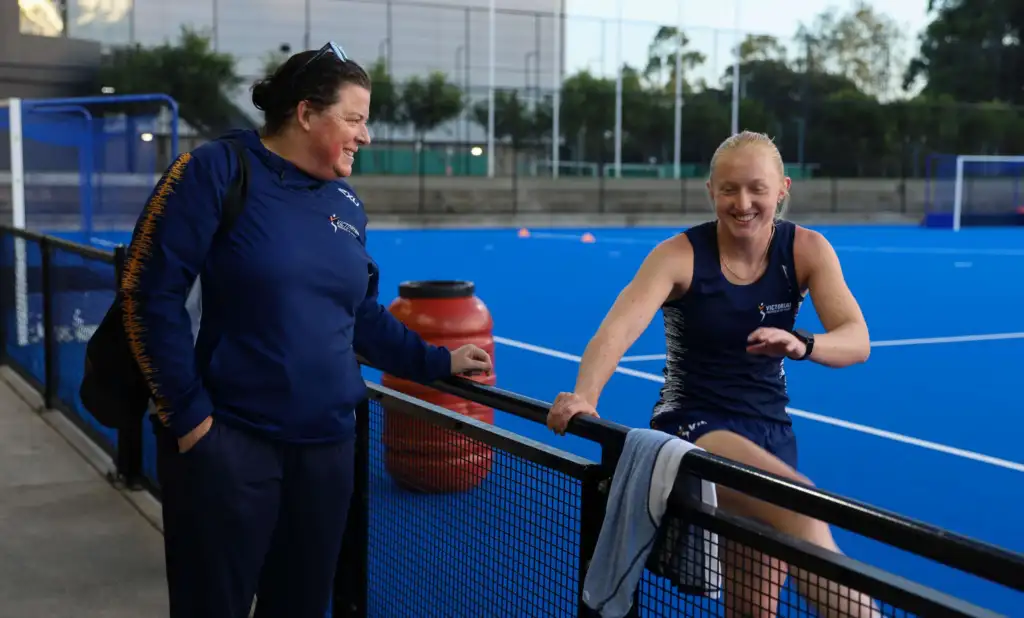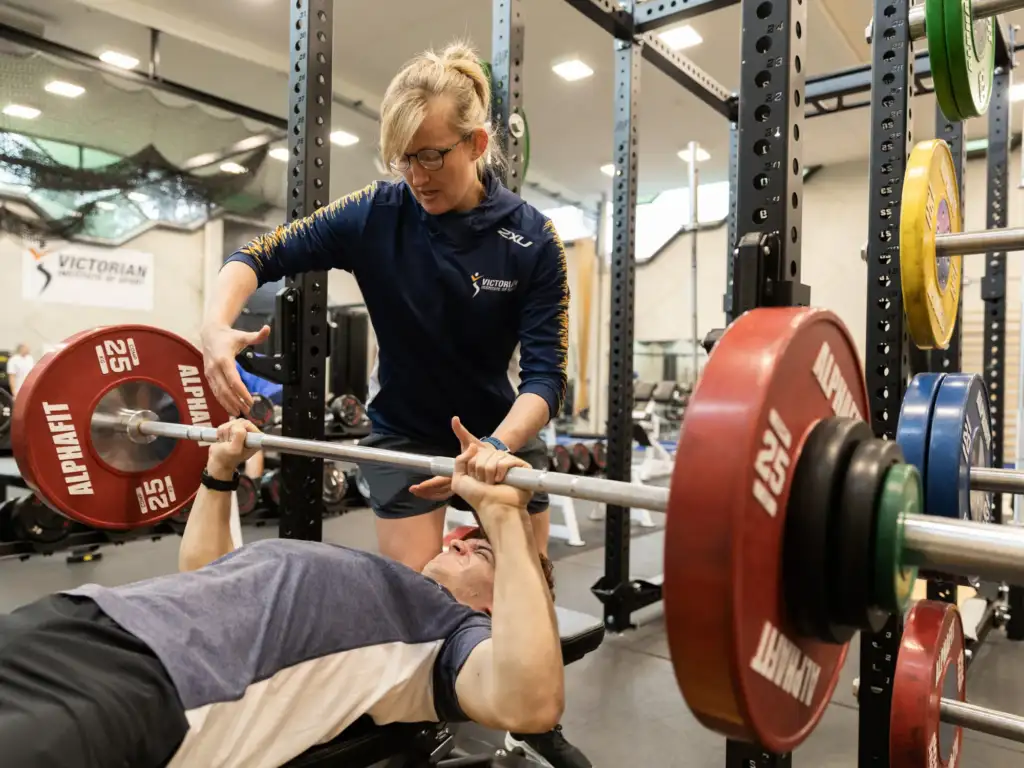

To monitor and develop the skills and performance of athletes and coaches, the VIS provides performance analysis support across a range of sports. Gain foundational knowledge in simple analysis practices to apply in any environment.
The main components of performance analysis include:
Tactical and technical assessment
Assess the viability of different ways of play, individual player involvements, technique approaches and analyse key performance indicators using video and data.
Data management and analysis
Systematic collection of data to analyse individual, match or season statistics for greater insights into performance.
Implementation and communication
Through linking video and statistics translate findings into clear and actionable insights for athletes and coaches.
These components are often helped by the use of technology, including computer software and video technology.
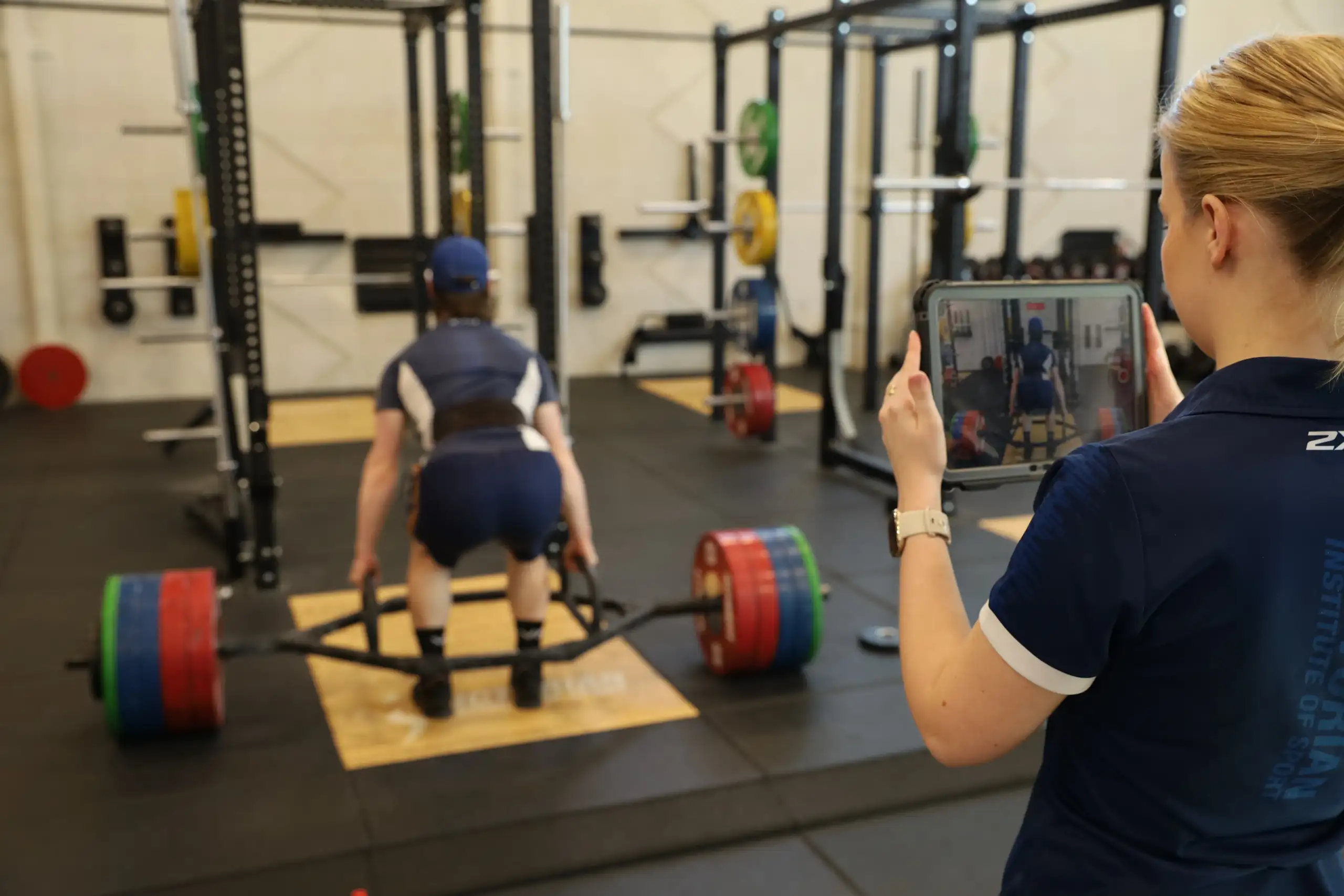
There are four key phases of performance analysis:
The VIS Performance Analysis team has provided some expert tips on each phase, which you can implement at any level of training or competition.
Phase 1: Design and Plan
The aim of performance analysis at VIS is to create solutions around how to improve performance. This is heavily reliant on a strong working relationship between athletes, coaches, and the support staff. An understanding of the sport’s major principles are crucial to designing a useful and objective measure of performance.
Expert tips for your own performance analysis:
- When thinking about your sport, consider what aspects / skills are the most important to overall performance, and how these can be identified.
- Develop a plan for how to capture this data. This might be as simple as a spreadsheet to count successful versus unsuccessful skill executions during a game or recording the skill to review technique.
Phase 2: Capture and Process Data
Technology can be leveraged to analyse the strategy and tactics of athletes, teams and opposition performances. Through the use of specifically designed software, data can be captured and analysed in real time, feeding key performance indicators and video replays through to coaches.
Accuracy is vitally important, as coaches and athletes rely on the data to make informed decisions that will ultimately influence their training environment and game strategies.
Expert tips for your own performance analysis:
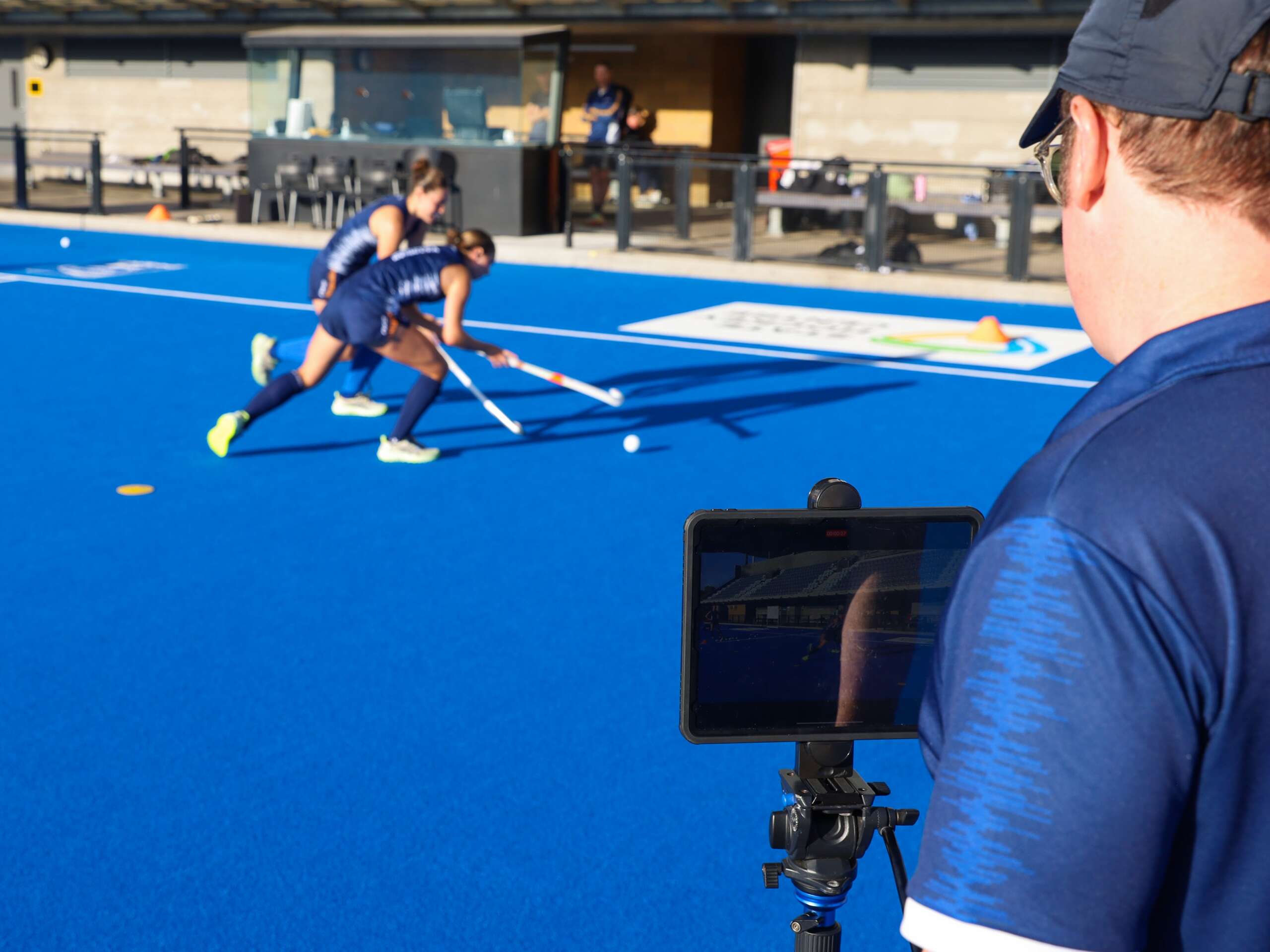
- With longer training sessions / games, an inexpensive tripod will ensure filming is smooth throughout (adapters can be used for smartphones/tablets).
- Change the default settings of your camera (smartphone, tablet, video camera) to suit what is being catpured (e.g. slow-motion for fast movements, high definition for recording in sharper detail). Remember that higher quality footage will require lots of storage space.
Phase 3: Analyse and Interpret
Once the data has been captured, the process of analysis will help decide what’s important and how it can be used to improve future performances.
Matching the statistics with the video of the event can help paint the picture of how well the athlete/team performed. Our experts produce reports on the key insights they’ve gained and utilise them to inform coach/athlete feedback. These are shared with relevant stakeholders to strengthen the understanding of the performance.
Expert tips for your own performance analysis:
- The more you understand the sport or athlete/coach, the greater impact that can be delivered with the findings.
- Remember that sport is complex and a simple change in numbers is only part of the picture. Place information into the context of the situation.
Phase 4: Present and Review
The last step in the process is where the work put in over the previous stages can have a real impact. VIS Performance Analysts guide the learning process by facilitating the presentation of findings in a variety of innovative ways.
The main goal is for the information to be easily understood. This will help give the athlete/coach an accurate representation of where their performance is currently at. A good presentation will spark conversation around improving identified weaknesses and celebrating strengths.
Expert tips for your own performance analysis:
- Video is a universal tool, take advantage of this familiarity to showcase key findings.
- Ask open ended questions to gauge the understanding of the audience.
- Think about the best time to present (during the performance, immediately afterwards or post competition) according to the situation.
Performance Analysts work alongside other performance support disciplines. Visit the VIS website to learn more about the various roles performance science plays in preparing athletes for success.