

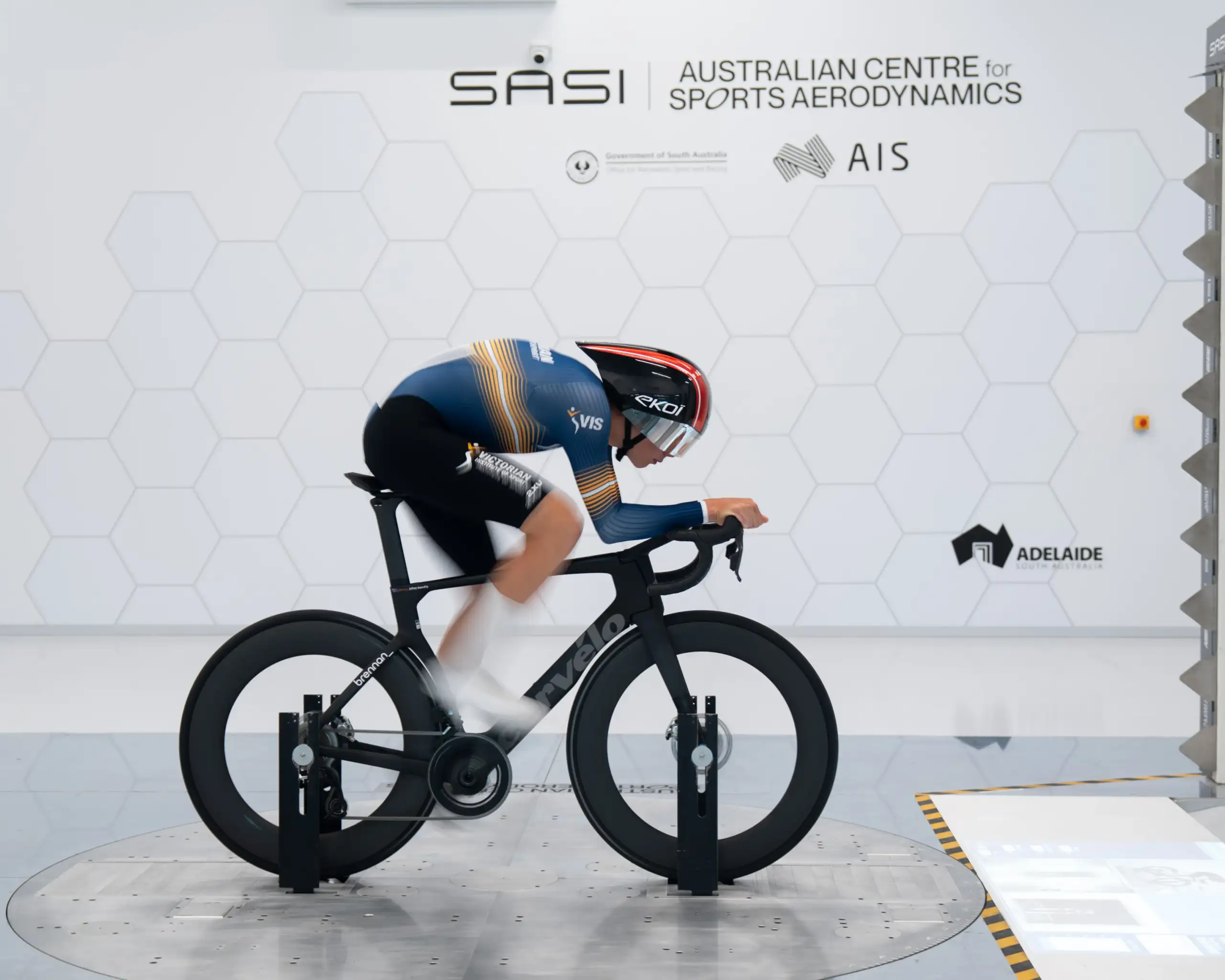
When the Victorian Institute of Sport (VIS) cycling squad rolled into the Australian Centre for Sports Aerodynamics (ACSA) in Adelaide, it was more than a training camp; it was a statement of intent.
As the first institute cycling program to tap into the state-of-the-art wind tunnel at the South Australian Institute of Sport (SASI), VIS is putting innovation at the centre of its push for Olympic and Paralympic success.
Recent advances in cycling science have transformed how marginal gains are found, measured and repeated. From equipment choice and handlebar design to rider position, clothing and helmet selection, every detail is now tested against the clock and the air it moves through.
Organised by VIS Endurance Cycling Head Coach Tim Decker, the crew headed to the ACSA to give athletes and staff a deep understanding of the key principles of aerodynamics, not just a one-off performance boost. Supported by VIS Physiologist Tom Topham, the group worked side by side with aerodynamic engineers to fine-tune rider positions and optimise equipment choices in a controlled, world-class environment.
“My aim is to establish the VIS as the best institute program in the country. We know science and aerodynamics plays a pivotal role in performance, so taking this opportunity to upskill riders and staff is really important for the program to be at the cutting edge of the sport.”
The goal now is to bring those learnings straight back into the daily training environment so that “wind tunnel fast” becomes “race fast”.
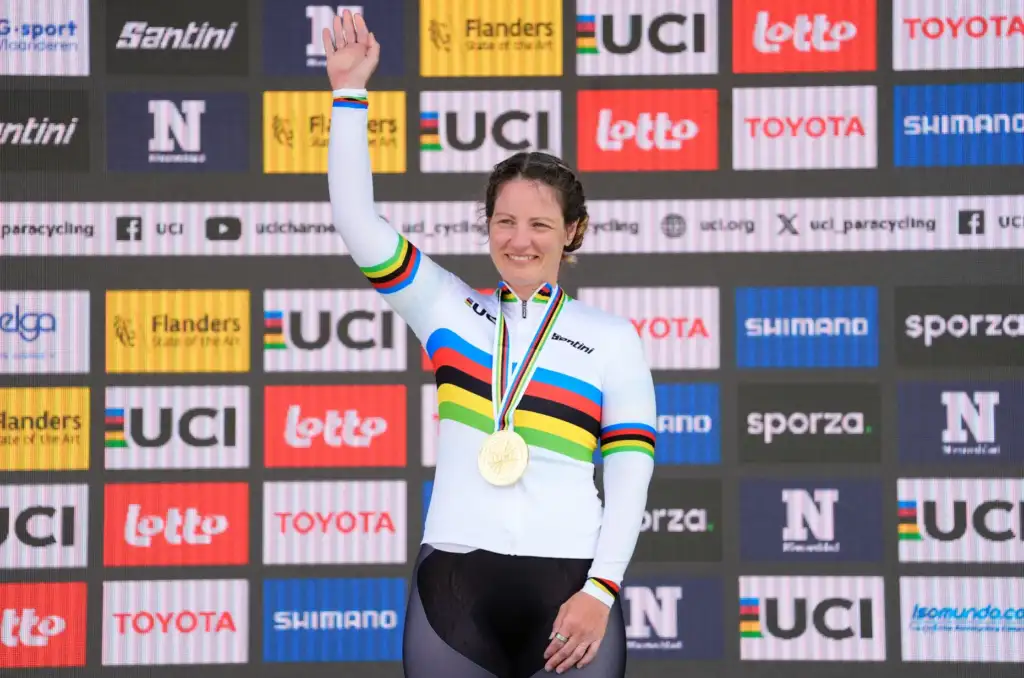
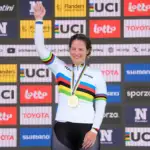
“I feel very fortunate and grateful for the opportunity to have recently spent some time in the wind tunnel with my time trial bike. It was my first time in a wind tunnel, so starting with a world-class facility like this one was eye-opening,” shared 2025 Giro d’Italia bronze medallist Sarah Gigante.
We managed to make great improvements in my aerodynamics across the session, but it was also a very interesting few hours, being able to see how it all worked and noticing how detailed and methodical every comparison was.
“We tested everything from drag at different yaw angles and speeds to differences in clothing and helmets.
“I look forward to putting this new information to good use in my overseas competitions in 2026 and beyond.”
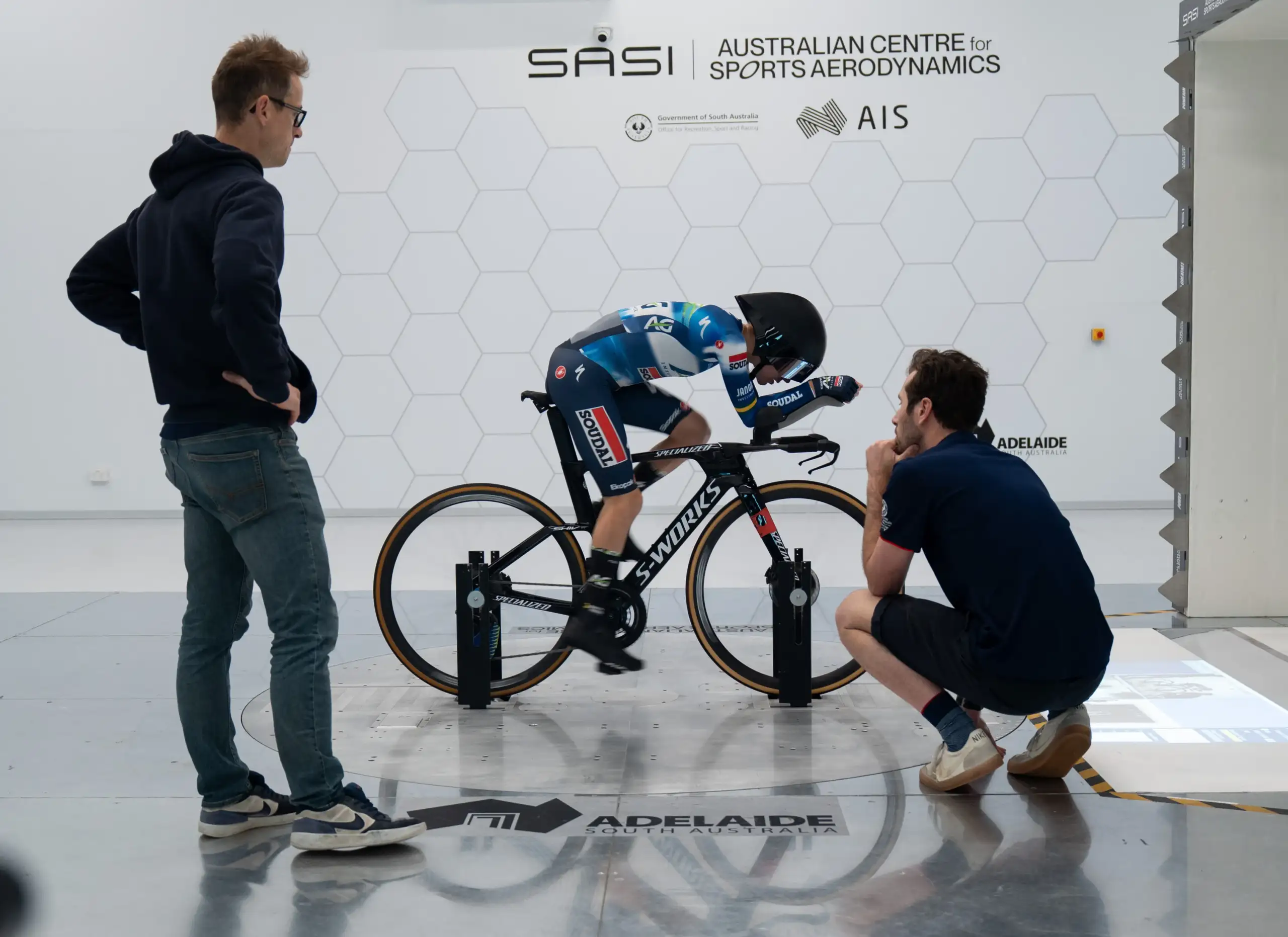
For VIS scholarship holder Max Goold, who delivered a top‑ten performance in the World Junior Time Trial Championships this year, the experience put numbers and clarity around what speed really looks like.
“The opportunity to spend time at the Australian Centre for Sports Aerodynamics provided invaluable experience through Tim Decker and the VIS,” said Goold.
The expert staff, led by John Pitman, along with VIS staff Shane Kelly and Tom Topham, were exceptional in maximising my aerodynamic efficiency.
“I can’t thank the VIS enough for their support and time that they put into this project.”
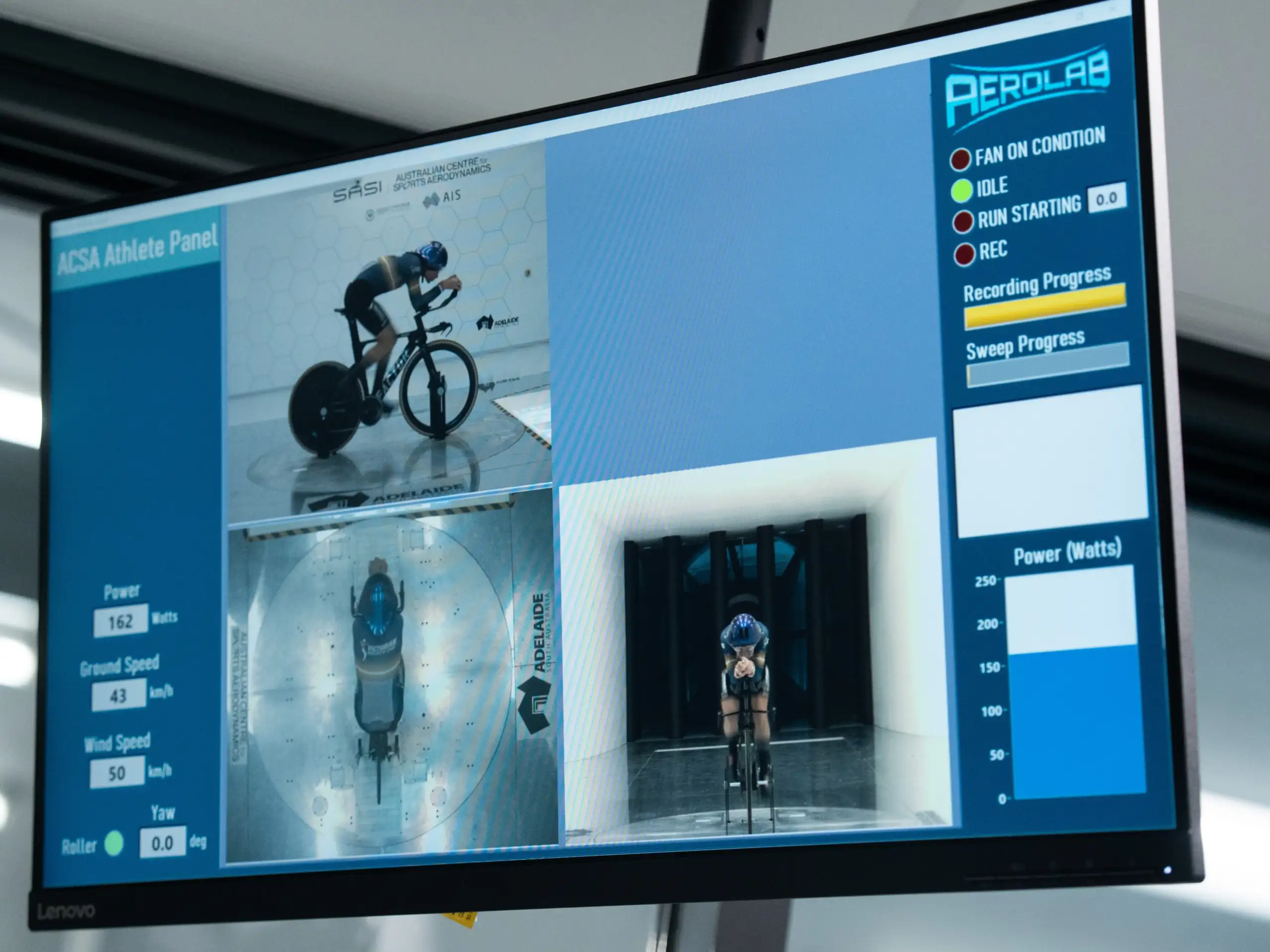
Emerging road talent and U23 road champion Julian Baudry used the session to explore how small changes to his set‑up could translate into sustained speed over long efforts. For established star Sarah Gigante, the opportunity to benchmark positions and equipment in such a precise environment underlined VIS’s commitment to leading, not following, in high performance cycling.
The Australian Centre for Sports Aerodynamics is a purpose‑built, low‑speed open‑jet wind tunnel designed specifically for sport, capable of simulating race conditions at over 100 km/h with exceptional flow quality and detailed force measurements. Based in Adelaide and operated by the South Australian Sports Institute, it works with sports and national programs to turn aerodynamic theory into podium performances.
For VIS, access to this kind of facility reinforces its reputation as a leader in performance innovation, not just in cycling but across its broader high performance system.
Photo credit: South Australian Institute of Sport (SASI)