


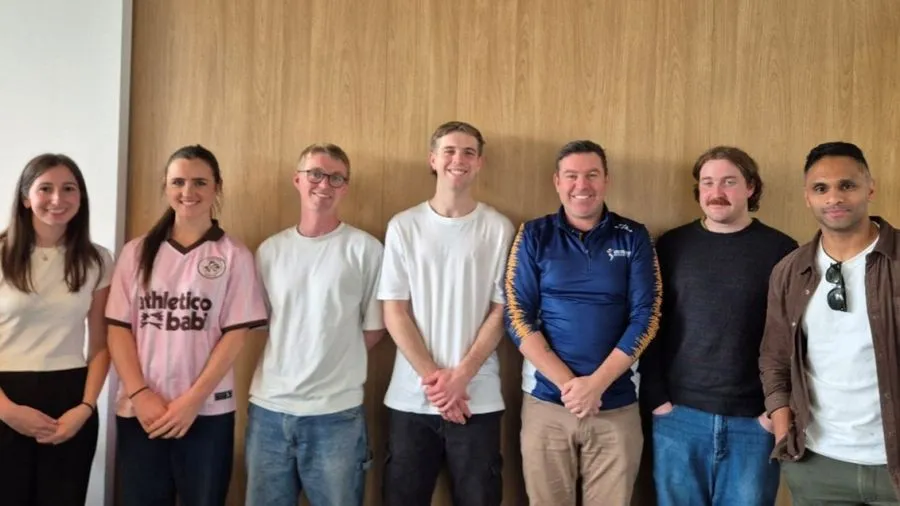
The VIS and University of Melbourne’s Spark Program came together to reimagine what’s possible for First Nations athletes beyond their playing careers. Through First Nations-led research and student innovation, the program proposes ‘Ripple’ – a culturally grounded system designed to strengthen cultural safety, retention and long-term leadership pathways in high performance sport.
Reflection by Jamie McPherson, VIS Our Connection to Country Officer
“You can’t be what you can’t see.”
It’s a phrase we hear a lot in sport, but the question I keep coming back to is: how can you be what you’ve never seen?
That question sits at the heart of a recent collaboration between the Victorian Institute of Sport (VIS) and the University of Melbourne’s Spark Program, where we set out to better understand and address the barriers facing First Nations athletes in moving into coaching and leadership roles after their competitive careers.
As the VIS Connection to Country Officer, I had the privilege of mentoring a team of Master of Engineering students who chose to take on this challenge through the project ‘Post‑Career Paths for First Nations Athletes’.
Our shared goal was to move beyond good intentions and generate practical, First Nations‑led solutions that could inform long‑term change in the high-performance system.
The response from students was immediate and genuine. We could only accept six into the project, but each brought a strong sense of purpose and a willingness to listen. Together, we designed a research process grounded in First Nations methodologies, using a yarning‑based approach to interviews, allowing for more relational conversations rather than transactional surveys.
Over the semester, the team combined desktop research, including work from experts such as Andrew Bennie, with more than 20 interviews across the high performance network, speaking with First Nations and non‑First Nations athletes, Olympians, coaches and leaders.
What emerged was a clear picture of the structural and cultural barriers that First Nations people can face long before they ever consider a post‑career role.
Uncertainty about what pathways exist, concerns around cultural safety and cultural load, and the impact of disconnection from Country and community during and after performance careers.
In response, the students proposed ‘Ripple’, a First Nations‑led cultural safety and retention system anchored at the VIS. Ripple is designed as a digital and cultural hub to:
- Centre a First Nations co‑design circle, ensuring decisions and solutions are shaped with and by First Nations people in sport.
- Provide accessible learning resources and toolkits for organisations seeking to strengthen cultural safety and support First Nations staff and athletes.
- Establish a way to track and reflect on cultural safety over time, so progress is visible and accountable.
The intent is for Ripple to not only support First Nations athletes to explore and prepare for coaching and leadership opportunities but also help sporting organisations build the cultural capability needed to retain that talent.
The idea behind Ripple is simple but powerful: when you embed culture at the foundation, everything else, diversity, performance and wellbeing, can thrive.
For me, this project is a powerful example of what can happen when higher education, high performance sport and First Nations knowledge systems come together with a shared purpose.
Innovation here is not just technological, but relational and cultural.
It’s about creating environments where First Nations people can see themselves reflected in leadership, feel safe to bring their whole selves, and know there is a future for them in sport beyond the field of play.
On behalf of the VIS, I want to acknowledge and thank the University of Melbourne, the Spark Program teaching team and, most importantly, the students who committed their time and hearts to this work.
The ripples from this project are already being felt, and they will continue to influence how we design pathways, build partnerships and lead change for First Nations athletes and communities in the years ahead.