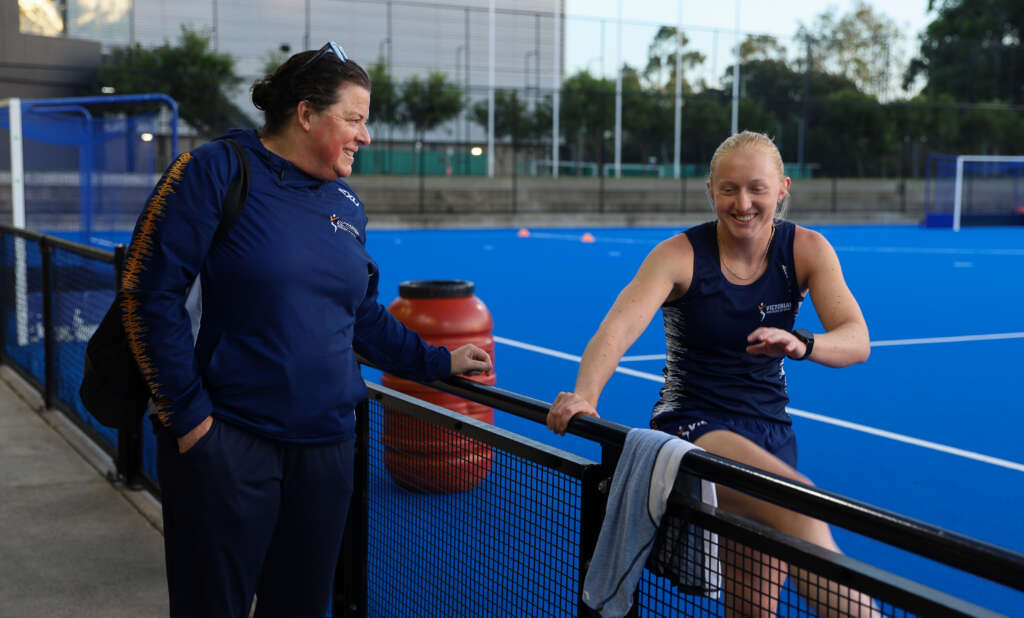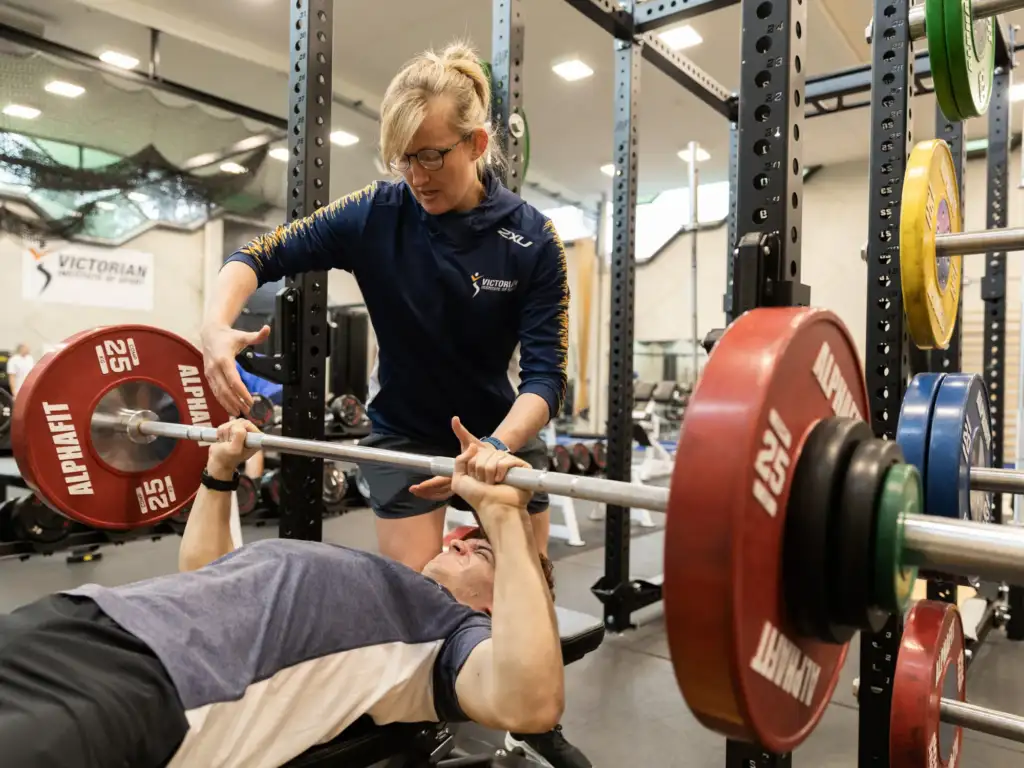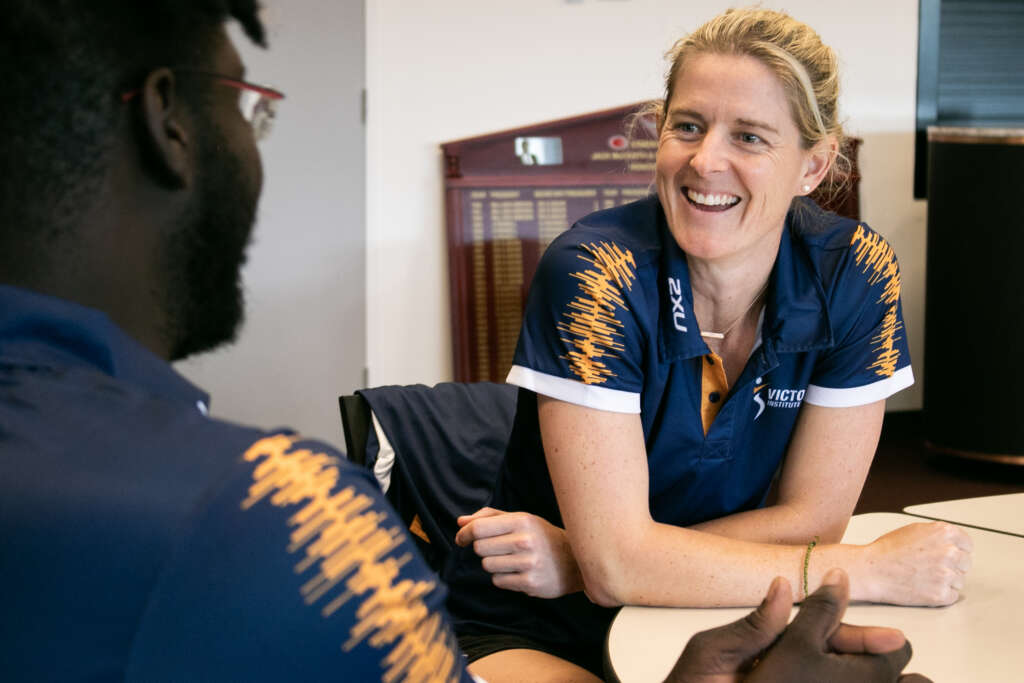

Sport shapes part of who you are, your routines, your relationships, your sense of purpose. Transition is not losing that. It is the start of expanding it.
Transitioning out of sport can be a challenging period. It can be a time of high uncertainity, and can often feel like:
- Grief or loss for the athlete you were
- Uncertainty about who you are and what comes next
- A drop in routine, purpose and belonging
- Relief and freedom, sometimes alongside the loss
Transition is a process, a change process of shifting identity, routines, roles and relationships. It is messy and hard, and beautiful and joyful.
Paralympian, VIS Alum (Swimming, Cycling, Triathlon)
The transition journey is not linear, however, there are typically four stages:
Strong athlete identity
Sport is a core part of who you are and how you see yourself.
Transition moment
Sport and service support changes, it may or may not be your decision.
Identity adjustment
Discovering who you are beyond your current role in sport.
Expanded self
Sport is one part of who you are.
Common Challenges
- Loss of routine and structure
- Anxiety about losing connection and belonging
- Losing direction from coaches and staff
- A challenge to your worth and value, not just identity
- Grief around the athlete role
Common Opportunties
- Discover new strengths
- Connect with other sources of meaning and purpose
- Build new communities and belonging
- Apply sporting skills in new contexts
- Develop a richer, more flexible identity
What the research tells us
Multiple identities improve adjustment outcomes
Social groups are central to identity resilience
Sporting skills transfer powerfully to life
Three things that can help during transition
Explore your blindspots
- Think about the roles you’d like to have (or already have) beyond sport.
- Education, work and community all develop your identity beyond the athlete role.
- Map out possible roles, seeing them all at once can build confidence and clarity.
Mixed feelings are normal
- Relief, grief and freedom can arrive together, and that is okay.
- It helps to name the emotions you are experiencing so that you can process them.
Stay connected
- Maintain existing relationships and build new ones.
- Belonging to multiple groups can be protective during change.
Transition is a process, a change process of shifting identity, routines, roles and relationships. It is messy and hard, and beautiful and joyful.
Paralympian, VIS Alum (Swimming, Cycling, Triathlon)